

From Spa Treatments to Wellness Experiences: The Future of Hospitality Wellness
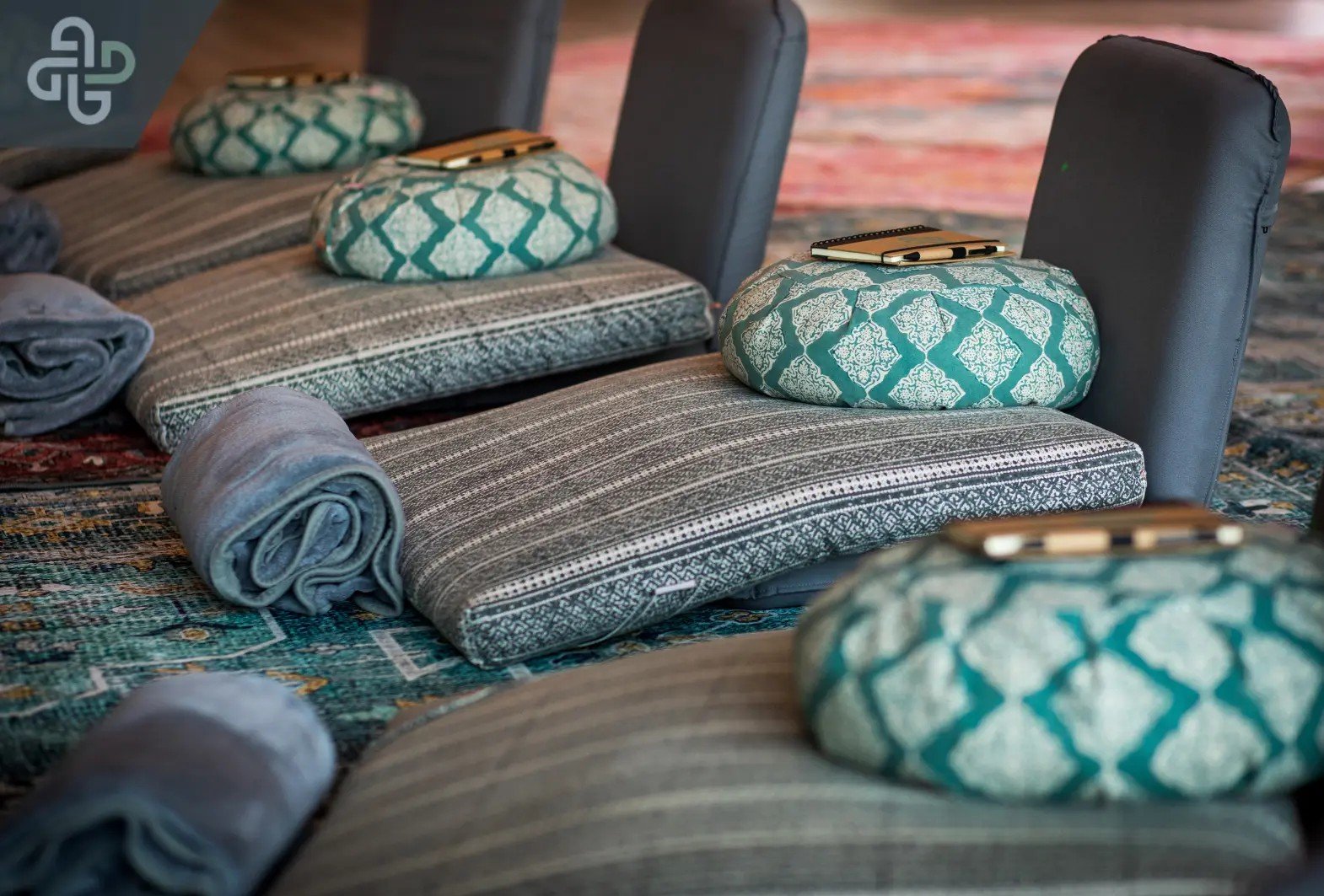
Hospitality wellness now goes beyond a spa, gym, and pool. The category is shifting toward scheduled, facilitated experiences such as sound baths, meditation, breathwork, sleep-focused programming, and group rituals that guests can actually participate in. For hotels, that makes wellness more flexible, visible, and easier to integrate throughout a stay.
For a long time, a hotel's wellness story could fit into three icons on an amenities page.
Spa.
Gym.
Pool.
All useful. None going anywhere.
But they are no longer the whole story.
The Global Wellness Institute valued the global wellness economy at $6.8 trillion in 2024, and projects continued growth through the end of the decade. Wellness tourism has also rebounded strongly. At the same time, the mental-wellness side of the market has expanded quickly, including meditation and mindfulness.
That shift is showing up in hospitality.
Guests are not only asking, "What treatments can I book?"
They are asking, sometimes without saying it directly, "How will I feel while I'm here?"
What Hospitality Wellness Means Today
The older model of hotel wellness centered on facilities.
A treatment room.
A fitness center.
A sauna.
A pool.
A menu of massages and facials.
The newer model adds programming.
That means wellness can happen at 7 a.m. on a rooftop, at 6 p.m. in a ballroom, beside the pool at sunset, inside a suite during a private gathering, or in an event room that was hosting a corporate meeting two hours earlier.
The important change is not that one model is replacing the other.
It is that wellness is becoming something guests can do together, on a schedule, in more parts of the property.
Why the Spa-Only Model Is No Longer Enough
Spas are excellent at what they are designed to do.
They are also structurally limited.
A massage is one practitioner and one guest for a set period of time. A treatment room can only serve so many people in a day. Expanding capacity often means expanding physical space, staffing, equipment, and operating costs.
Group wellness works differently.
One facilitator can guide a room through meditation, sound, or breathwork. The session can happen in a space the hotel already owns. The experience can be offered to overnight guests, locals, corporate groups, or all three depending on the schedule.
That does not make it "better" than a spa.
It makes it useful in a different way.
A treatment is private; an experience can become part of the property's identity
A great massage may be one of the best hours of someone's stay.
But it is still largely invisible to everyone else.
A recurring sunset sound bath on a rooftop can become something the hotel is known for.
A Sunday morning meditation series can create a local following.
A sleep ritual offered to conference groups can become part of how the property talks about meetings.
Programming has a public life that one-to-one treatments usually do not.
The economics are different
Building or expanding a spa is capital intensive.
Bringing in a qualified facilitator and converting an existing room for an hour is not the same financial commitment.
That flexibility matters especially for properties that want a credible wellness offering without becoming a full wellness resort.
It also lets hotels test.
Run the series.
Watch attendance.
Listen to guests.
Then decide what deserves to grow.
Five Shifts Defining the Future of Hospitality Wellness
1. From treatment to experience
Traditional spa language is built around what is done for the guest.
Massage.
Facial.
Body treatment.
Experiential wellness asks the guest to participate.
That may mean lying down for a sound bath, following a guided meditation, learning a breathing practice, moving through a gentle class, or joining a seasonal ritual.
Participation changes the memory.
You are not simply receiving a service. You were there when the room got quiet. You heard the gong. You watched the sun go down afterward.
That is a different kind of hospitality story.
2. From physical wellness to whole-person wellbeing
Hotels have always understood physical comfort.
A good bed. A good shower. A gym. A massage.
Now the conversation is expanding into sleep, stress, mental restoration, nervous-system regulation, and the simple problem of helping people slow down after travel.
The GWI's recent data shows particularly strong growth in mental wellness. That does not mean hotels should start promising to treat anxiety or fix sleep disorders.
It means guests are increasingly familiar with practices such as meditation, breathwork, sound, and mindfulness, and hospitality can make those practices easier to access.
3. From solo wellness to communal wellness
Many wellness services are intentionally private.
That can be wonderful.
But travel is often social.
Couples travel together. Friends take weekend trips. Conference attendees spend three days in the same hotel. Wedding guests fill a property. Solo travelers still look for ways to feel connected to where they are.
Group programming creates a different kind of value.
A sound bath can bring 30 strangers into one room without requiring awkward networking.
A morning meditation can give a corporate group a quieter start before meetings.
A recurring local class can introduce hotel guests to people who actually live in the city.
Wellness becomes part of the social experience without needing to become a social activity.
4. From fixed facilities to flexible spaces
A hotel does not need a room labeled WELLNESS for wellness to happen there.
That may be one of the most commercially useful changes in the category.
Rooftops.
Ballrooms.
Pool decks.
Lawns.
Suites.
Meeting rooms.
Terraces.
All can host different types of programming when acoustics, flooring, weather, privacy, and guest flow are considered.
The room has a daytime job and an evening job.
That makes wellness possible for properties with limited footprints and for hotels that want to experiment before committing to new construction.
5. From in-house delivery to specialist partnerships
Not every hotel needs a meditation teacher on payroll.
Or a sound practitioner.
Or a breathwork facilitator.
The partner-led model lets properties work with established wellness operators that bring practitioners, programming knowledge, equipment, and often an existing local community.
The hotel brings the setting, hospitality operation, guest relationship, and brand.
The partner brings the practice.
When the fit is right, both sides stay in their lane.
What This Means Commercially
Wellness programming should not be treated as decoration.
It can support several parts of the business at once.
It can require less capital than a spa build-out
A recurring sound bath still has costs.
So does every good event.
But it does not require plumbing, permanent treatment rooms, or a full new facility.
That lowers the barrier to starting.
Programming can become a marketing asset
Guests can photograph a rooftop meditation.
A hotel can build an event calendar around a residency.
Local media can cover a distinctive public wellness series.
A brand can partner around an experience.
The program produces something the property can talk about without inventing another room package.
Locals become part of the audience
This may be one of the most underestimated benefits.
An empty seat at a guest-only event has no value.
Open some inventory to locals and the hotel can build recurring community traffic around slower periods.
Corporate and group bookings become possible
Wellness programming can also move into meetings and events.
A hotel already hosting an offsite can add meditation before the first session, sound at the end of the day, or breathwork between intensive work blocks.
That creates revenue opportunities beyond individual leisure guests while giving the events team another experience to offer planners.
What Should Spas Do Next? Extend, Not Replace
The future of hospitality wellness is not "no more spas."
That would be a strange conclusion.
Spas do things group programming cannot.
Privacy.
Skilled hands-on treatment.
Hydrotherapy.
Personalized services.
A sense of luxury that many guests actively seek.
The stronger model is layered.
The spa becomes the anchor.
Programming extends the reach.
A guest might book a massage on Saturday afternoon and attend a sound bath that evening. Someone else may never book a treatment but still participate in meditation on Sunday morning.
Both encountered the hotel's wellness offering.
The property did not have to force them into the same experience.
How Properties Are Making the Shift Today
The DEN's hotel partnerships are a practical example of the partner-led model.
We currently bring hotel residencies across California into properties in West Hollywood, Santa Monica, Long Beach, Menlo Park, and Palm Springs. Depending on the location, programming can include sound baths, meditation, movement, yoga, energy work, or custom experiences.
The important part is not copying one calendar from one hotel into another.
A Palm Springs property should not necessarily sound like a Santa Monica property.
A business-heavy hotel in Menlo Park has different rhythms from a West Hollywood weekend crowd.
The wellness programming should understand the building it is entering.
That is where the partnership becomes more valuable than a one-off class.
It can evolve with the property.
Hospitality Wellness Is Becoming an Experience Layer
The wellness tourism market is increasingly shaped by travelers who integrate wellbeing into ordinary trips rather than booking a dedicated retreat. That is a useful way for hotels to think about the future.
Most guests are not asking the property to become a wellness resort.
They are asking for better options while they are already there.
Something to help them arrive.
Something to do before dinner.
Something to make a work trip feel less punishing.
Something memorable enough that the hotel does not blur into the last five hotels they stayed in.
For properties ready to build that layer, The DEN can create custom wellness retreats and programming or help you plan a wellness experience. You can also learn more about The DEN and the way we approach facilitated wellness.
The spa still matters.
The opportunity is everything that can happen beyond its doors.
Frequently Asked Questions
What is hospitality wellness?
Hospitality wellness is the set of services, spaces, and experiences a hotel uses to support guest wellbeing. It can include traditional spa and fitness amenities as well as facilitated programming such as meditation, breathwork, sound baths, movement, sleep-focused experiences, and private or group wellness events.
Are hotel spas becoming obsolete?
No. Spas remain valuable for hands-on, private, personalized services that group programming cannot replace. The shift is toward extending the spa model with experiences that can serve more guests, use flexible spaces, support community programming, and create a broader wellness identity across the property.
What is the difference between a spa treatment and a wellness experience?
A spa treatment is typically a one-to-one service delivered to a guest, such as a massage or facial. A wellness experience is often participatory and can be delivered to a group, such as a sound bath, guided meditation, breathwork session, movement class, or sleep-focused workshop.
Can a hotel offer wellness without a spa?
Yes. Hotels can use existing event rooms, rooftops, terraces, lawns, pool decks, suites, and meeting spaces for scheduled wellness programming. A qualified outside partner can provide facilitators and equipment, allowing the property to build a wellness calendar without constructing permanent treatment rooms.
What are the biggest wellness trends in hospitality right now?
Key shifts include more mental-wellness programming, group and communal experiences, flexible use of existing hotel spaces, partner-led programming, sleep and stress support, sound and breathwork experiences, and wellness options designed for ordinary travelers rather than only guests on dedicated wellness trips.