

Behind the Lens: How DEN Captures Its Immersive Wellness Experiences
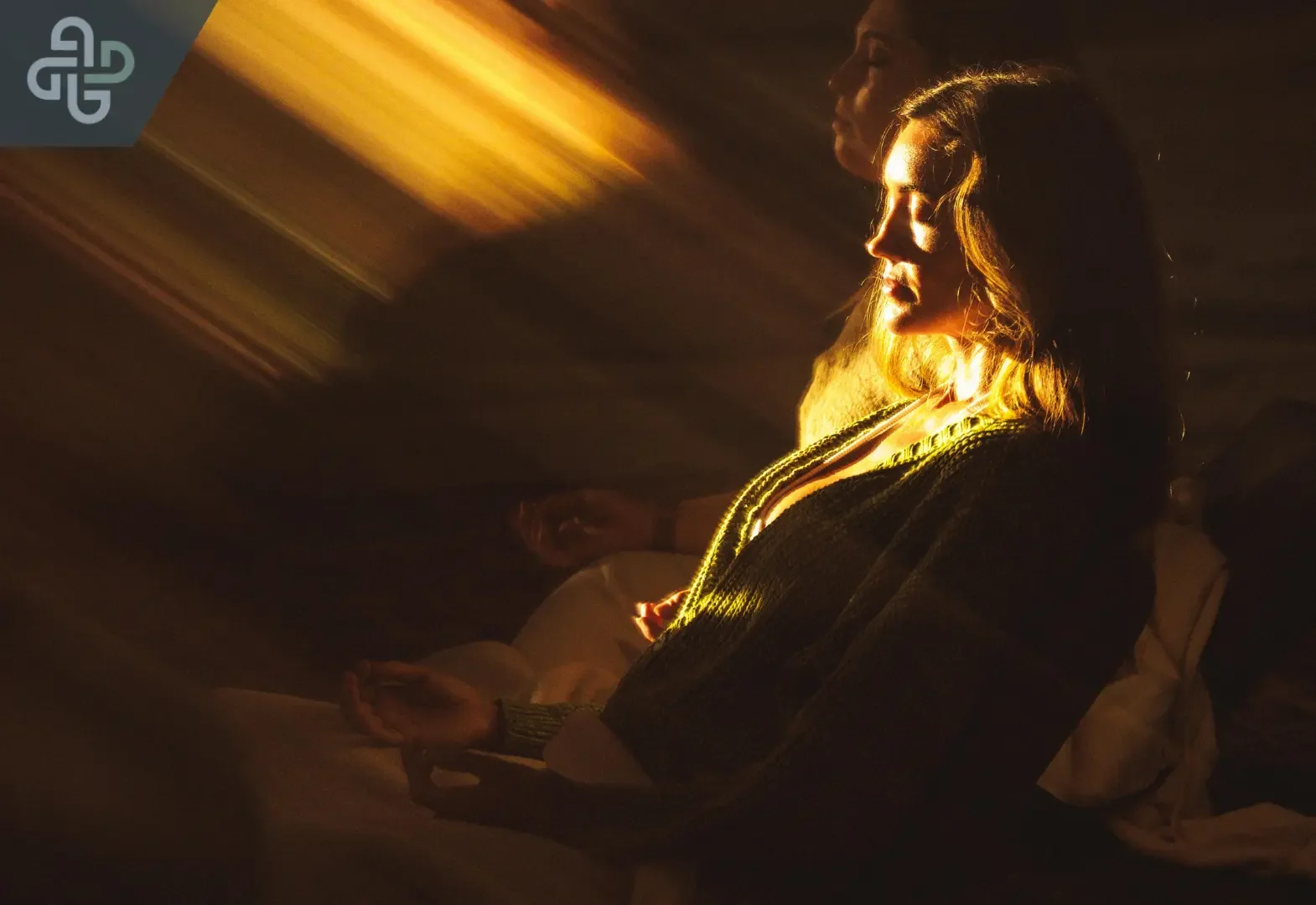
Wellness event photography has a strange job: it needs to show enough for someone to understand the experience without making the room feel as if it was staged for a camera. At The DEN, the strongest images preserve the quiet, texture, people, and small details that make a session feel real.
The hardest photo to take during a sound bath is sometimes the one you decide not to take.
A camera can document a room beautifully. It can also become the loudest thing in it.
That tension matters to us because our events are not photo shoots with wellness happening in the background. They are meditation sessions, sound baths, retreats, private gatherings, and brand experiences first. The photography has to work around that.
For much of The DEN's event imagery, we work with Los Angeles photographer Jesse DeYoung, whose portfolio spans fitness, lifestyle, portraits, events, and commercial work. You can see more of his work at Jesse DeYoung Photography.
Why Wellness Event Photography Is Different
A concert photographer can move toward the stage.
A conference photographer can ask a group to squeeze together and smile.
A sound bath photographer cannot casually walk into the middle of a room while 80 people are lying down with their eyes closed.
Wellness spaces come with a different set of rules.
The experience is often quiet. Lighting may be intentionally soft. Participants may be in vulnerable, inward-looking moments. The facilitator needs room to work. And if the camera starts directing the room, the images may look polished while the actual event gets worse.
Good wellness event photography therefore has two jobs at once:
capture enough context to tell the story
stay out of the way of the story while it is happening
That second part is easy to underestimate.
Meet Jesse DeYoung
Jesse describes his work as Los Angeles-based photography across fitness, lifestyle, portraits, events, and product imagery. His background makes sense for The DEN because wellness events sit somewhere between several of those worlds.
There is movement, but not always fast movement. There are people, but the best frames are not always posed portraits.
There are beautiful objects, from singing bowls to candles to blankets, but the objects only matter because of what is happening around them. And there is usually an event story that has to be understandable afterward to someone who was not in the room.
Jesse's portfolio includes work for brands and live events, but what matters to us is less a list of clients than the ability to notice the moment without forcing it.
That is the whole assignment.
What We Actually Want the Photos to Capture
When someone lands on The DEN's website or sees an event recap, we do not want them to think, "That looks like a nice room."
We want them to understand what it might feel like to be there.
That takes more than one wide shot.
The room before it fills
There is a short window before guests arrive when the space tells you a lot.
Mats are aligned.
Blankets are folded.
Bowls, gongs, or other instruments are in position.
Light falls differently when the room is still empty.
Those photos are useful because they show the care behind the setup without asking participants to perform anything for the camera.
The facilitator at work
A sound practitioner playing a bowl is not just a generic "wellness" image.
Hands, instruments, posture, spacing, and concentration give the viewer clues about how the experience is actually led.
That is also why we like to show the facilitators leading these sessions as people, not interchangeable silhouettes.
The practitioner is part of the experience.
The group without turning the group into a backdrop
A full room can communicate scale instantly.
But there is a difference between photographing people participating and using participants as scenery.
The best group images give a sense of shared presence while still respecting the fact that people came to experience the session, not model in it.
That means wider compositions can be useful. So can frames that focus on posture, hands, blankets, instruments, or the relationship between facilitator and room rather than pushing a lens into someone's face.
The details people remember later
The small frame is often the one that makes the larger story believable.
A mallet resting beside a bowl.
Shoes lined up near the edge of the room.
A row of blankets.
A hotel rooftop after sunset.
A practitioner preparing before people come in.
These details give the finished gallery texture. Without them, every wellness event can start to look strangely similar.
How Do You Photograph a Sound Bath Without Breaking the Stillness?
You plan before the quiet part starts. That sounds obvious.
It is not always how events are photographed.
A photographer who understands the flow can get many of the essential images during arrival, setup, transitions, and closing moments. During the most inward part of the practice, less movement is often better.
Jesse also uses a quiet lens so the shutter does not click with every photo, allowing him to keep documenting the session without repeatedly breaking the stillness in the room.
A few principles make a big difference:
Know the run of show before guests enter.
Photograph the empty space and instruments early.
Identify useful angles before people settle.
Avoid unnecessary flash or disruptive movement during quiet practice.
Stay aware of where the facilitator needs to move.
Get the essential brand and venue context without turning every frame into signage.
Capture reactions and connection after the session when people are naturally talking again.
None of this requires making the photography invisible.
It requires making it considerate.
Why the Images Matter for Hotels and Brand Partners
A good wellness event happens once. The imagery keeps working afterward.
For a hotel, it can show future guests that "wellness programming" means something more specific than a generic amenities line on a booking page. A photo of a real sound bath on the rooftop communicates the experience much faster than three paragraphs of copy.
For a brand, images help an activation live beyond the people who attended.
They can support:
event recaps
social posts
press coverage
partnership decks
hotel programming pages
future event promotion
internal storytelling
proof of what the experience actually looked like
But that only works when the imagery feels like the event.
Over-direct it, and you lose the atmosphere.
Under-document it, and nobody outside the room knows what happened.
Wellness photography sits in that middle ground.
The DEN's Visual Language Comes From the Experience
The DEN has never been interested in making meditation look like something only one kind of person does in one kind of pristine room.
Our sessions happen in studios, hotels, rooftops, retreats, private homes, company spaces, and event venues. Some are intimate. Some fill a ballroom. Some are deeply quiet. Others are social before and after the practice.
The photography should be able to hold those differences.
That is why we would rather have a gallery with a point of view than a checklist of predictable wellness shots.
The camera should notice what the room is doing.
Not impose a version of wellness onto it.
Want to See the Experience From Inside the Room?
The easiest way to understand DEN imagery is to experience the thing being photographed.
You can experience a DEN session in person, browse our upcoming schedule, or talk with us about private and brand events.
And if you are planning a wellness activation yourself, think about photography early.
Not because the event needs to become content. Because if the experience is worth creating, it is worth documenting in a way that still feels like the experience.
Frequently Asked Questions
What is wellness event photography?
Wellness event photography documents experiences such as sound baths, meditation sessions, retreats, movement classes, and brand wellness activations. Unlike conventional event coverage, it often requires quieter movement, more sensitivity to participants, and careful attention to atmosphere so the photography does not interrupt the practice.
Who photographs The DEN's wellness experiences?
The DEN works with Los Angeles photographer Jesse DeYoung for event and brand imagery. His work spans fitness, lifestyle, portraits, and events, which translates well to wellness spaces where the photographer needs to capture people, movement, environments, and small details without over-directing the scene.
Can you photograph a sound bath without disrupting it?
Yes, but planning and the right equipment matter. Many important images can be captured during setup, arrival, and transitions. During the quietest parts, Jesse works from pre-planned angles, limits unnecessary movement, avoids disruptive flash, and uses a quiet lens so the shutter does not click with every photo. This allows him to document the experience without repeatedly interrupting the stillness.
Why do brands need photography at wellness activations?
Strong photography extends the life of an activation. It gives brands and venues useful material for social, press, recaps, future promotion, partnership decks, and website content. More importantly, it shows people what the experience actually looked like instead of relying on generic wellness imagery.
Can The DEN create private wellness events for brands and hotels?
Yes. The DEN designs private experiences for brands, hotels, companies, retreats, and other groups. Programming can include sound baths, meditation, breathwork, movement, and other facilitated formats depending on the venue, audience, and intention of the event.