

What Is a Hotel Wellness Residency? A New Model for Hospitality Wellness
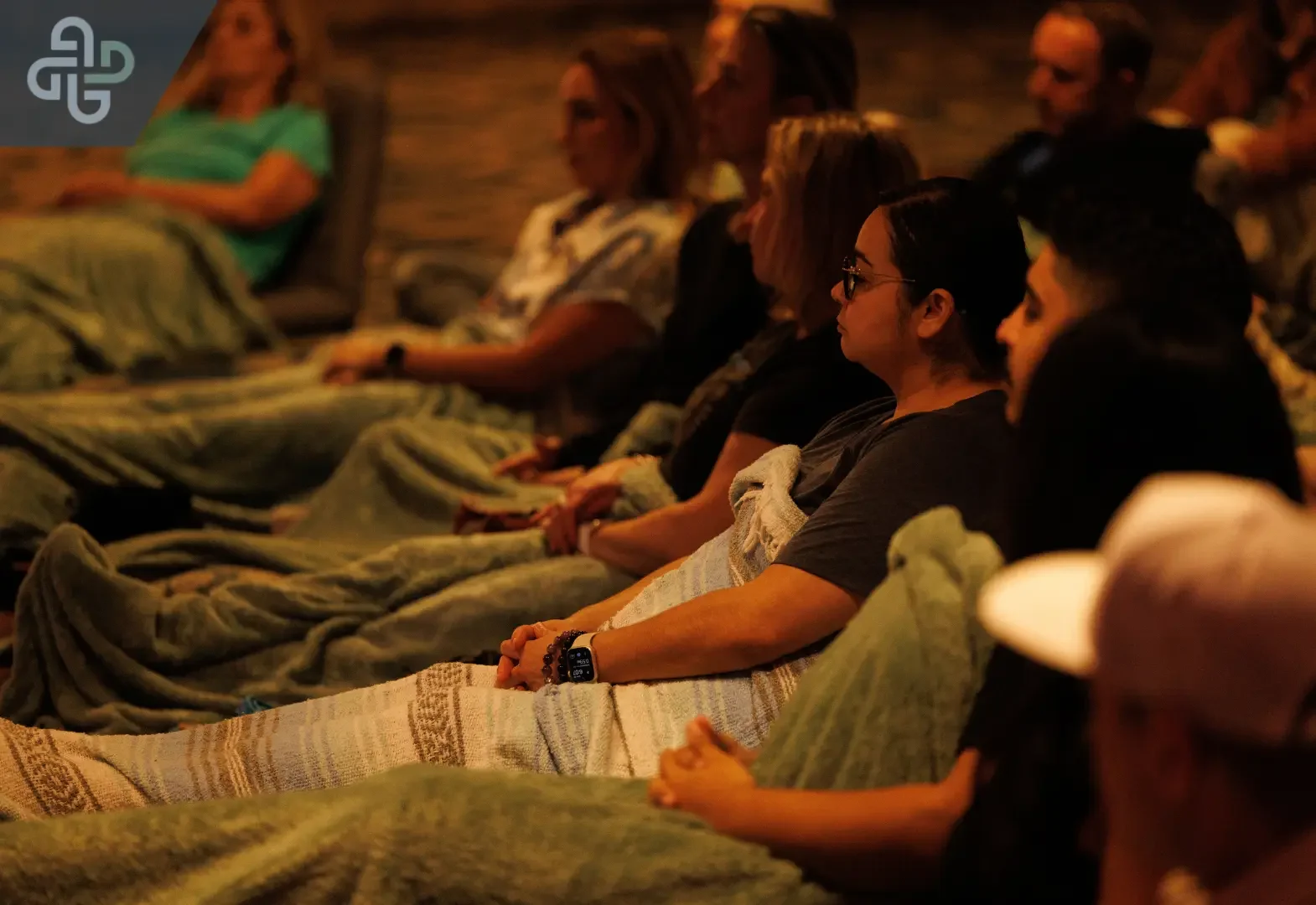
A hotel wellness residency is recurring wellness programming hosted inside a hotel and delivered by an outside wellness operator. Unlike a one-night activation, it returns on a schedule. Unlike a spa, it does not require treatment rooms or a permanent build-out. The hotel and operator both have a stake in making it work.
California is a natural market for this model. The DEN currently runs residencies in West Hollywood, Santa Monica, Long Beach and Palm Springs, alongside other California hotel partnerships.
What Is a Hotel Wellness Residency?
Three things define the model. It is recurring, it happens inside the hotel, and it is delivered by an outside wellness operator.
The word “residency” matters because it implies staying. A sound bath every Thursday for a season begins to feel like part of the property. A breathwork event that appears once and disappears is an activation.
That distinction changes how staff talk about it, how guests discover it, and whether locals learn to return.
What a Residency Is Not
| Model | How it works |
|---|---|
| One-off activation | A single event or campaign moment. Useful for launches, but it does not build a recurring habit. |
| Spa | A permanent facility with treatment rooms and one-to-one services. |
| In-house wellness program | The hotel hires or directly manages practitioners and programming. |
| Venue rental | An outside provider simply rents space. The hotel is not necessarily involved in audience, guest access, or programming strategy. |
| Wellness residency | A recurring collaboration in which the hotel provides the setting and guest touchpoints while the operator delivers the wellness experience. |
How a Residency Works in Practice
The hotel usually contributes the space, dates, front-of-house coordination, and communication with guests. The wellness operator brings facilitators, programming, equipment, operational know-how, and often an existing local audience.
Access can be guest-only, public, or hybrid. A hybrid model is especially useful in California markets where the hotel wants to remain relevant to its neighborhood instead of functioning only as a place for overnight visitors.
Commercial arrangements vary: fixed fees, ticket revenue, revenue share, sponsorship, or a mix. The right structure depends on the property, audience, and frequency.
Why the Model Emerged
Hotels wanted more visible wellness without committing to the staffing and capital cost of a full spa department. Wellness operators wanted high-quality space and new audiences without taking on another long-term studio lease.
Both sides also learned that one-off events are easy to photograph and harder to build into guest behavior. Recurrence is what turns “we hosted a sound bath once” into “this hotel has a wellness program.”
The broader demand is not small. The Global Wellness Institute reports that wellness tourism accounted for 17.6% of global tourism spending in 2024.
What Each Side Gets Out of It
| Hotel | Wellness operator | Guest or local attendee |
|---|---|---|
| Credible programming without building a new department | Venue access and new audiences | A real activity to join during or near a stay |
| More reasons to stay on-property | Brand association and recurring dates | Access without joining a separate studio |
| Local relevance | Revenue without fixed studio overhead | Shared experience in a hospitality setting |
| Upside for groups and private bookings | Potential corporate and event leads | A low-friction way to try wellness |
Is Your Property a Fit for a Residency?
It is a good sign if the hotel has flexible space, a meaningful local market, and guests who spend time on-property in the morning or evening. It also helps when front desk, events, F&B, and marketing teams are willing to treat the program as part of the hotel rather than an outside renter.
It may not be a fit if the property cannot control the room, does not want a recurring commitment, or is mainly looking for one photogenic launch moment. A residency needs continuity.
How DEN Runs Residencies
The DEN’s current California model gives the idea a concrete shape. Its in-person calendar includes hotel-based programming and pop-ups in West Hollywood, Santa Monica, Long Beach, and Palm Springs, with modalities such as sound baths, guided meditation, energy work, movement, and breathwork.
At The London West Hollywood, the hotel describes its partnership with The DEN as onsite programming for both the Los Angeles community and travelers, led by trained practitioners. That outside confirmation matters because a residency only works when it belongs to the property as well as the operator. You can see the hotel’s description of the partnership here.
Members can also use membership access across venues, which helps recurring events behave more like a network than isolated hotel calendars.
Why This Model Is Different From a Pop-Up
A pop-up asks, “Will people come tonight?” A residency asks, “Will people know this happens here?”
The second question is harder and more valuable. It requires stable dates, consistent delivery, staff awareness, and enough time for guests and locals to form a habit.
Where to Start
If a property is considering a residency, begin with one room, one format, and one season. Define who the program is for, what the hotel provides, what the operator owns, how guests access it, and what success will look like after three to six months.
Then resist the urge to over-program it. The point of a residency is not more events. It is a recognizable rhythm. You can explore a residency for your property with The DEN or review the facilitators who lead them.
Frequently Asked Questions
What is a hotel wellness residency?
It is recurring wellness programming hosted inside a hotel and delivered by an outside operator. The hotel provides the setting and guest touchpoints, while the operator supplies the facilitators, programming, equipment, and delivery.
How is a residency different from a wellness activation or pop-up?
An activation is usually temporary and campaign-led. A residency returns on a predictable schedule. That repetition allows the experience to become part of the hotel’s identity and gives guests and locals a reason to come back.
Does a hotel need a spa to host a wellness residency?
No. Residencies can use meeting rooms, terraces, lawns, rooftops, lounges, ballrooms, and other existing spaces. The room needs to suit the format, but treatment rooms, plumbing, and a dedicated spa department are not required.
Who provides the instructors and equipment?
In a true operator-led residency, the outside wellness partner typically manages facilitators and program delivery and may also provide equipment. Exact responsibilities should be written into the agreement so setup, storage, substitutions, insurance, and communication are clear.
How long does a typical hotel wellness residency run?
There is no universal duration. The important distinction is recurrence. A seasonal series can be enough to establish a pattern, while successful partnerships may continue much longer. One-off events are better described as activations than residencies.