

How Hotels Can Build a Meaningful Wellness Program Without Building a Spa
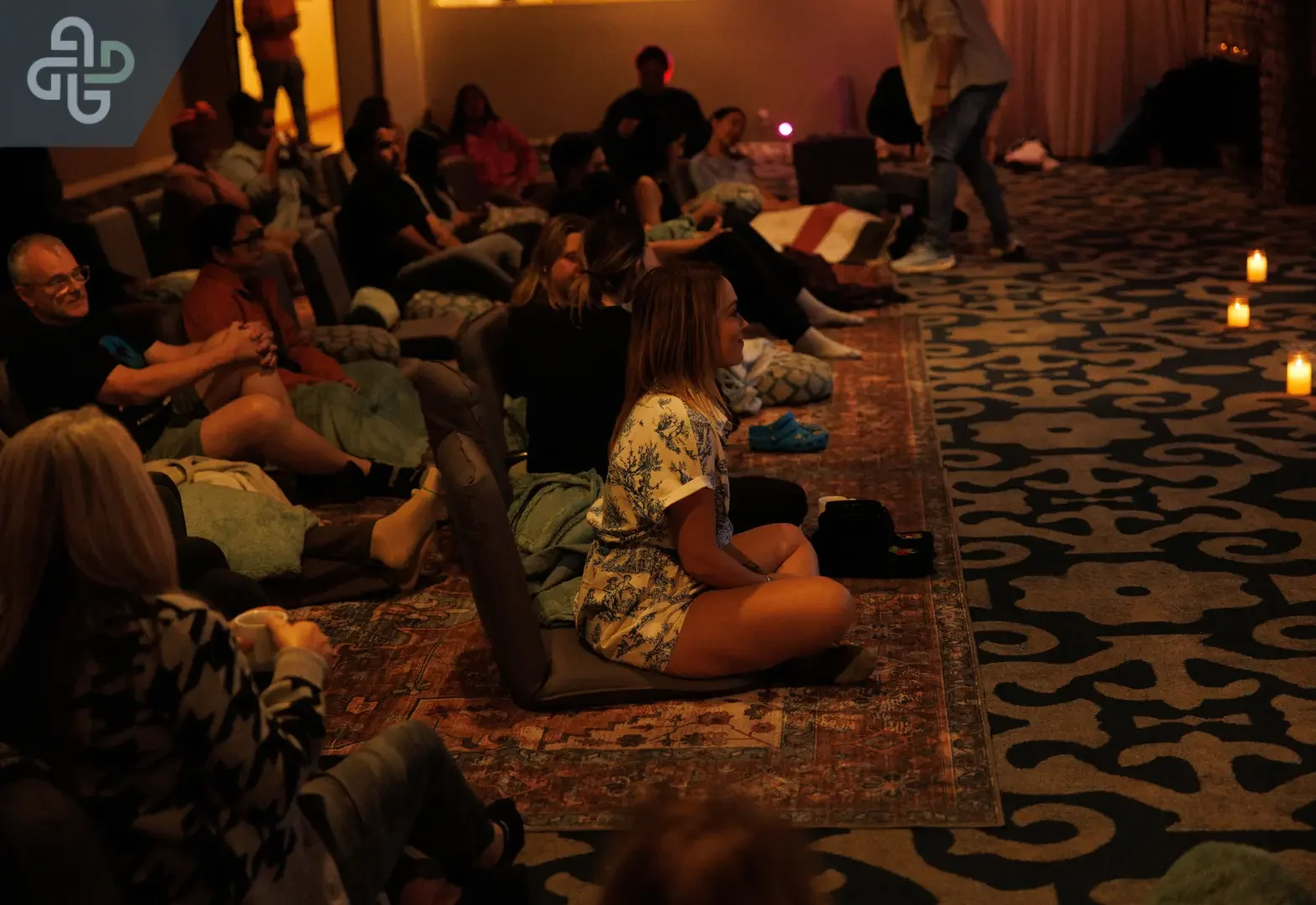
A hotel wellness program does not require a spa. At its simplest, it needs three things: a usable space, a qualified facilitator, and a recurring time guests can remember. Meditation, sound baths, breathwork, gentle movement, and sleep-focused sessions can all work inside spaces a hotel already has.
That matters for smaller and boutique properties in California, where a full spa build may be unrealistic but guest interest in wellness is not. The Global Wellness Institute reports that wellness tourism represented 17.6% of global tourism spending in 2024. The opportunity is real. The expensive construction project is optional.
What a Hotel Wellness Program Actually Requires
A useful program starts with consistency, not square footage. Guests need to know what is happening, where it happens, and when they can join. The property needs someone who can deliver the experience professionally and a space that does not fight the format.
What it does not automatically need is a treatment room, plumbing, retail inventory, or a full-time spa manager. Those can support wellness, but they are not prerequisites for programming.
Step 1 — Audit the Space You Already Have
Walk the property as if you were looking for an hour of calm rather than another revenue center. Rooftops, pool decks, meeting rooms, small ballrooms, lawns, lounges, and underused event spaces can all work.
Check whether people can sit or lie comfortably, whether light and noise can be controlled, and whether setup can happen without colliding with another event. Dead hours are often more useful than dead rooms, so start with the schedule you already have.
Step 2 — Choose One Anchor Format and Do It Well
One recurring session usually builds more recognition than five unrelated one-offs. “Sunday morning sound bath” is easier for guests and staff to remember than a calendar that changes every week.
Good first formats include sound baths, guided meditation, breathwork, gentle movement, and evening wind-down sessions. Match the format to the property. A quiet coastal hotel may lean into sunrise meditation. A West Hollywood property with strong local traffic may do better with an evening sound experience open to guests and residents.
The DEN’s recurring hotel residencies across California show how one property can use existing event space for sound, meditation, breathwork, Reiki, movement, and other scheduled experiences without becoming a traditional spa.
Step 3 — Decide Whether to Hire or Partner
An in-house program gives more direct control but also brings payroll, scheduling, training, insurance, and management time. A good outside partner should bring qualified facilitators, reliable scheduling, equipment, event experience, and clear answers about substitutions, accessibility, cancellations, and capacity.
You can review qualified facilitators and scope a wellness program for your property to see what a partner-led model can look like.
Step 4 — Build the Calendar Before You Build the Marketing
If the session only exists when someone remembers to promote it, it is not yet an amenity. Pick a cadence the property can sustain. Weekly may be right for a hotel with strong local demand. Twice monthly may be more realistic for a smaller property.
Commit to a season rather than a pilot week. Consistency gives front-desk teams something concrete to mention and gives locals a reason to return.
Step 5 — Set Access, Capacity and Pricing
There is no single model. A hotel can include the session for overnight guests, sell public tickets, or use a hybrid. Some properties hold a guest allocation, then release unused places to the public close to the event.
Free can also make sense when the goal is guest experience, local awareness, or F&B traffic rather than ticket revenue. Treat that choice as marketing spend, not “free wellness.”
Step 6 — Operationalize It So It Does Not Depend on One Person
Front desk needs a two-sentence explanation, someone needs to own bookings, and setup, breakdown, storage, and noise rules should be documented. The program should still run if the manager who launched it is off property.
Step 7 — Measure the Right Things
attendance and repeat attendance
guest-review mentions
local versus in-house participation
F&B spend around session times
private, group, or corporate enquiries generated
A new program may look modest for the first few months. Returning faces and word-of-mouth are often stronger early signals than raw volume.
What It Costs Compared With a Spa Build
| Model | Typical cost drivers | Commitment |
|---|---|---|
| Full spa | Construction, treatment rooms, plumbing, equipment, staffing, licensing, ongoing operations | High capital and operational commitment |
| In-house programming | Staff or contractors, equipment, scheduling, training, management | Moderate recurring commitment |
| Partner-led programming | Facilitator fee or commercial split, space setup, guest communications | Lower infrastructure commitment |
The cost structure is different, which lets hotels test demand without committing to a new department.
Five Mistakes That Kill a Hotel Wellness Program
Launching too many formats at once. Nobody knows what the property stands for.
Treating wellness as a one-off activation. Guests cannot build a habit around something that never returns.
Booking the cheapest facilitator. Group leadership, professionalism, and reliability matter.
Choosing a space that fights the experience. Noise and lighting can undo good programming quickly.
Never telling arriving guests it exists. A beautiful class with no front-desk awareness is still invisible.
Hotels do not need to build a spa to take wellness seriously. They need a format that fits the property, a calendar people can trust, and a partner or team that can deliver it consistently. If you are planning something more tailored, The DEN also builds custom programming for hotels, groups, and retreats.
Frequently Asked Questions
Can a hotel offer wellness without a spa?
Yes. Hotels can run meditation, sound baths, breathwork, movement, sleep-focused sessions, and other facilitated experiences in existing event or public spaces. The key requirements are an appropriate room, qualified delivery, reliable scheduling, and clear guest communication.
How do you start a hotel wellness program?
Start with one recurring format, one workable space, and a cadence the property can maintain. Decide who delivers it, how guests book, whether locals can attend, and who owns setup and communication. Then run it long enough to measure repeat behavior.
What space does a hotel need for wellness programming?
It depends on the format. Meeting rooms, terraces, lawns, rooftops, lounges, and ballrooms can work when there is enough room, reasonable sound control, safe access, and comfortable flooring or seating. A dedicated spa room is not required.
Should a hotel hire a wellness director or use a partner?
That depends on scale. A large property with daily programming may justify an internal role. A hotel testing recurring experiences may prefer an outside operator that already provides facilitators, equipment, scheduling support, insurance, and program design.
How often should a hotel run wellness sessions?
Consistency matters more than an arbitrary frequency. Weekly programming is easy for guests and locals to remember, but twice monthly can work if it is reliable. A recurring seasonal calendar usually performs better as an amenity than isolated one-off events.