

Wellness Events for Employees: Creative Ideas Beyond Yoga
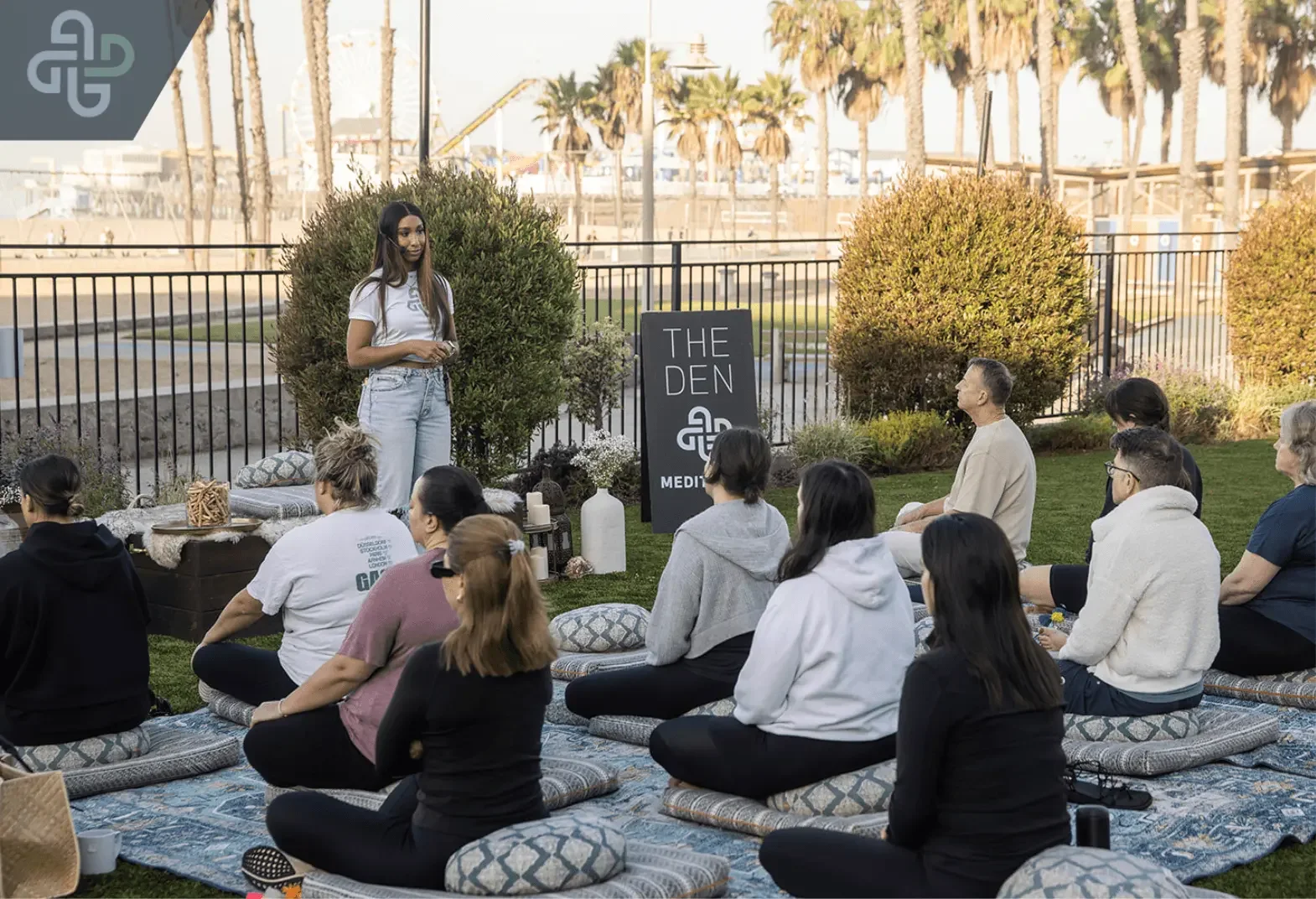
A lot of workplace wellness plans start with yoga because it’s familiar. But here’s the problem: when one activity becomes the default, the same people show up, the same people opt out, and the impact stays narrow.
If you’re planning a staff wellness day, a quarterly reset, or ongoing corporate wellness activities, variety isn’t just “nice.” It’s how you make wellness feel accessible to more bodies, more schedules, and more personalities.
Why traditional corporate wellness activities are no longer enough
Yoga can be great. It’s just not universal.
Some employees have injuries, chronic pain, pregnancy limitations, or mobility challenges.
Some feel uncomfortable in body-focused classes with coworkers.
Some don’t want movement. They want a mental reset.
Some want connection. Others want quiet.
There’s also a bigger point: workplace wellbeing doesn’t improve through activities alone if the work environment is grinding people down. Researchers have raised concerns that individual-level wellbeing initiatives can miss the real drivers of stress in working conditions.
So the best approach is two-layered:
Offer wellness events that meet people where they are.
Make sure the workplace culture supports recovery, boundaries, and sane workload expectations.
Creative wellness activities for employees beyond yoga
Here are event formats that work well in real workplaces because they’re flexible, inclusive, and easy to time-box.
1) Guided meditation “reset sessions” (10–20 minutes)
A short guided practice between meetings can do more than a long session no one has time for. This fits teams that are busy, remote, or easily overbooked.
How to run it
Same time each week for 4–6 weeks
Cameras optional
A consistent facilitator and a consistent format
If you want it turnkey, The DEN offers private and corporate group experiences that can be brought to teams.
2) Sound bath or sound-focused restoration
Sound-based experiences are a strong “beyond yoga” option because they don’t require athleticism. They’re also low-pressure for beginners.
Good for
Stress-heavy teams
End-of-year recovery weeks
Hybrid teams that need a shared calm moment
3) Breath and nervous system workshops (gentle, not intense)
Breathwork has a wide range. For workplace settings, keep it simple: downshifting, focus breathing, and regulation tools people can use before tough calls.
Workshop topics that land well
“Two-minute reset before hard conversations”
“How to come down after high adrenaline meetings”
“Breathing for sleep and recovery”
4) Creative decompression sessions
Not everyone wants “wellness talk.” But many people want a way to release pressure without having to explain themselves.
Ideas
Scribble and sketch session (no talent required)
Guided journaling for mental declutter
Clay or simple craft table (drop-in style)
These show up often in staff wellness day idea lists because they’re genuinely accessible.
5) Sensory wellbeing stations (drop-in, 5 minutes each)
This is great for offices that can’t pause operations for a full hour.
Set up 3–4 mini stations:
Tea and hydration station (quiet corner)
Stretch and mobility station (simple prompts)
Eye and screen break station (20–20–20 reminders)
Gratitude wall (write one sentence, done)
Even a tea bar can become a “care signal” for teams when done thoughtfully.
Holistic wellness activities that support the whole person
A holistic wellness program works best when it hits more than one “wellbeing lane.” Here’s a simple mix you can copy.
Mind
Meditation for focus
Stress reduction workshops
Mindful communication session
Body
Mobility and posture session
Walking club or walking meetings
Ergonomics and “pain points” clinic
Emotions
Journaling for clarity
Sound restoration
Self-compassion and burnout prevention workshop
Social connection
Guided group meditation
Team gratitude circle (short and structured)
Volunteer hour (optional, not forced)
Practical wellbeing
Sleep support workshop
Nutrition basics for busy weeks
Boundary setting for workload peaks
WHO notes that workplace mental health is shaped by working conditions and that employers have a role in creating healthier work environments. That’s the “whole person” lens in plain terms.
Group wellness activities that strengthen team connection
Some group wellness activities help because they’re relaxing. Others help because they rebuild trust and connection, especially in hybrid teams.
Team-building wellness ideas that don’t feel cringe
Paired walk and talk: 15 minutes, with one prompt
Guided group meditation + reflection: 20 minutes total, reflection is optional
“Win and lesson” circle: one win, one lesson, 60 seconds each
Kindness ping: each person sends one specific thank-you message
If you’re planning something larger, The DEN’s private experiences and corporate team-building formats are designed for groups and workplaces.
Health and wellness event ideas for different budgets
Here’s a practical menu you can hand to a manager without overexplaining.
| Budget | What it can look like | Best for |
|---|---|---|
| Low cost | Tea station + guided journaling + 10-minute meditation reset | High participation, low disruption |
| Mid | On-site sound bath or mindfulness workshop + recognition moment | Quarterly wellness day, team reset |
| Premium | Half-day wellness experience: meditation + sound + private breakouts | Offsites, peak-season recovery, leadership days |
If your team is remote or split across cities, pairing live sessions with an on-demand library keeps momentum between events. The DEN’s on-demand catalogue includes thousands of class replays with membership access.
How to design a holistic wellness program for your workplace
If you want this to land, plan it like a product launch, not a random perk.
Start with a quick employee pulse: “What would help right now?” (3 options + open text)
Choose 3 tracks: calm, movement, connection (not 12 tracks)
Time-box everything: 10–45 minutes per activity
Keep it inclusive: neutral language, opt-in attendance, multiple formats
Create a 4-week rhythm after the event: one short weekly session to sustain it
Protect one operational guardrail: meeting-free focus block, earlier finish day, or lighter deadline week
Also: don’t hide the basics. If the workload is consistently unrealistic, no event will “fix” that. Even critics of workplace wellbeing initiatives point out that working conditions matter a lot.
Measuring the impact of employee wellness activities
You don’t need complicated ROI spreadsheets. Track a few signals.
Short-term (weekly)
Attendance and repeat attendance
Two-question pulse: stress level + focus level
Manager feedback on team mood and collaboration
Mid-term (monthly/quarterly)
Absence trends
Turnover risk signals
Engagement pulse
Team delivery reliability (less rework, fewer missed handoffs)
If you’re doing workplace wellness events through a partner, ask for a simple post-event summary: what was delivered, what the team responded to, and what to repeat.
Conclusion
Yoga can be one part of workplace wellness. It doesn’t have to be the whole story.
When you offer a mix of holistic wellness activities, group wellness activities, and time-boxed resets that fit real schedules, participation rises, and wellness stops feeling like a checkbox. If you want support designing or delivering corporate wellness activities, The DEN offers private and workplace wellness experiences that can be customized for teams.
FAQ
What are unique wellness activities for employees?
Try formats that don’t require fitness or flexibility: guided meditation resets, sound baths, gentle breath and stress regulation workshops, journaling circles, and drop-in sensory stations like tea and hydration corners. These options tend to be inclusive and easy to time-box, which helps participation.
How do group wellness activities benefit teams?
Group wellness activities build a shared pause, which can improve connection and reduce friction. They also create routine, so people show up without having to self-motivate every time. When the format is simple and optional, group sessions can strengthen culture without forcing vulnerability.
What is a holistic wellness program in the workplace?
A holistic wellness program supports more than one dimension: mental health, physical wellbeing, emotional regulation, social connection, and practical life habits like sleep and recovery. WHO emphasizes that mental health at work is shaped by working conditions, so holistic programs work best when paired with healthy norms and workload practices.
Are corporate wellness activities worth the investment?
They can be, especially when they’re consistent, inclusive, and connected to real workplace needs. One-off events often feel nice but fade fast. Programs tend to work better when they include follow-up and address day-to-day stress drivers, not just individual coping tools.
How do I plan wellness activities in the workplace?
Start with a quick employee pulse, pick 2–3 formats, time-box everything, and make it opt-in. Build a short follow-up rhythm so it doesn’t end as a “one-day thing.” If you want turnkey delivery, The DEN offers corporate and team-building wellness experiences and on-demand options for ongoing support.