

How Wellness Programming Can Help Hotels Build Stronger Local Communities
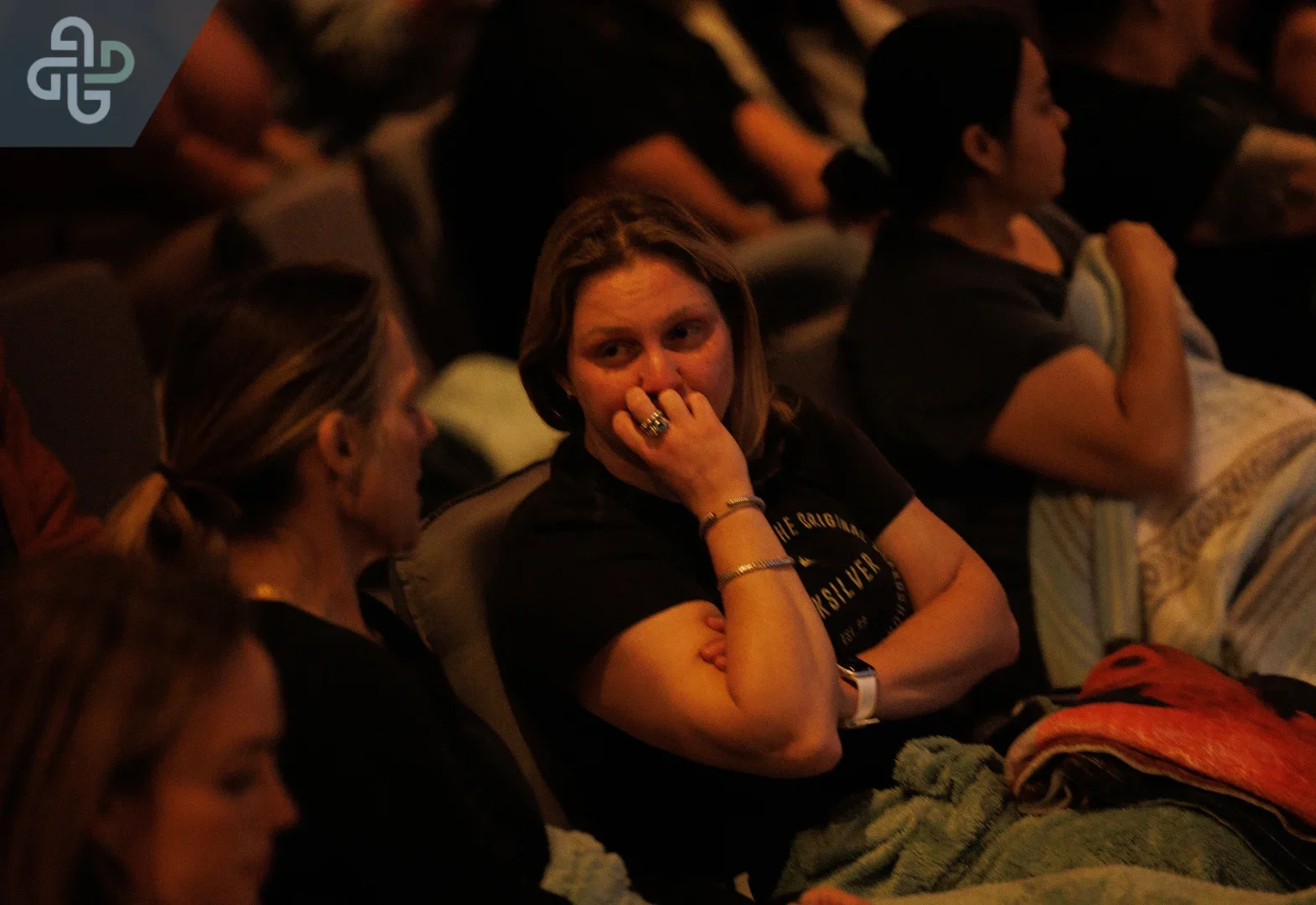
Hotel community engagement becomes commercially useful when locals have a real reason to enter the property, return, and recommend it. Wellness programming is one of the easiest ways to create that relationship because it can happen during quiet hours, does not depend on dining, and can serve guests and neighbors at the same time.
In Los Angeles and other California markets, that distinction matters. A hotel can be physically located in a neighborhood and still feel closed to it. Or it can become one of the places people actually use.
Why Local Relevance Is a Commercial Asset, Not a Nice-to-Have
Hotels compete on room rate until they compete on something harder to copy. A rooftop, a great restaurant, or a recurring event can help. So can being the property local people mention when friends ask where to stay.
A hotel known only through an OTA listing is easy to substitute. A hotel connected to its neighborhood has social memory around it. People have been there for a sound bath, a dinner, a meeting, a celebration, or a Sunday morning class. That familiarity is difficult for a competitor to recreate with a discount.
Why Wellness Is the Easiest Door to Open to Locals
Food and beverage is the traditional bridge between hotels and residents. Wellness gives the property another one.
A one-hour meditation, sound bath, breathwork class, or gentle movement session is a low-commitment first visit. It can use space that is quiet at that hour. It also attracts people who may return weekly rather than once a year for a special dinner.
That is already visible in The DEN’s residencies serving guests and locals across California. The London West Hollywood, for example, explicitly describes its DEN partnership as programming for both the Los Angeles community and travelers.
What Changes When Locals Start Treating Your Hotel as Theirs
The property becomes a place in the neighborhood, not merely a building in it.
Staff begin recognizing regulars. Locals know which entrance to use, where to park, what the lobby feels like, and which friend would enjoy the next event. The hotel becomes easier to recommend because people have first-hand experience of it.
That can also prompt local practitioners, event planners, and businesses to approach the property rather than waiting for hotel outreach.
What Guests Get From a Hotel That Locals Use
Travelers often say they want to feel the city rather than stay sealed off from it. That is difficult to deliver through décor alone.
A hotel room full of travelers feels like a hotel room full of travelers. A rooftop class with residents and guests mixed together feels like the city entered the building.
This does not mean every program has to be public. It means local participation can make the property feel inhabited by its own place. For a visitor, that is often more memorable than another generic “local guide” card in the room.
The Honest Trade-Offs
Opening a hotel to locals needs boundaries. Guest experience can be diluted if public attendance takes every place in a popular session. Security and access need to be clear. Front desk teams should know who is entering and why.
Brand fit matters too. A small privacy-led resort may not want steady public traffic. A city hotel with active event space may benefit from it.
And community takes time. You cannot run three events, stop for two months, and conclude that the neighborhood “did not engage.” People need enough repetitions to believe the hotel means it.
How to Tell If It Is Working
The early signals are not dramatic:
the same local faces return
attendees bring friends
local tags and mentions increase
nearby businesses ask about collaboration
private and corporate enquiries start referencing public events
staff can name regular participants
Community compounds slowly. A recurring group of locals can be more meaningful than one launch event whose audience never returns.
Why Wellness Works Especially Well in California Hotels
California already has a mature audience for meditation, yoga, sound, recovery, and other wellness formats. The broader U.S. market is also unusually important in wellness travel: the Global Wellness Institute reports that the United States accounted for 37% of global wellness-tourism spending in 2024.
That does not mean every California hotel needs a sound bath. It means the local customer often understands the category before the hotel explains it.
Protect the Guest Experience While Building the Local One
A simple hybrid model can work well: reserve places for overnight guests, release unclaimed capacity to the public, and make arrival procedures obvious. If a class is ticketed, the booking flow should explain parking, check-in, and where attendees can spend time before or after.
Membership can also create continuity. The DEN’s membership access across venues makes it easier for people to follow programming from one property to another instead of treating every event as a separate purchase.
Local Relevance Is Built, Not Branded
A hotel cannot declare itself a “community hub” and make the neighborhood agree. It earns that role by hosting experiences people value, repeating them, and making local guests feel welcome without making overnight guests feel displaced.
Wellness is one way to do that because it gives people a reason to walk through the door before they need a room. If your property is exploring that kind of programming, you can build a programme for your property with The DEN.
Frequently Asked Questions
Why should a hotel care about its local community?
Locals can become repeat customers, referral sources, event clients, and informal ambassadors for the property. A hotel that is known and used by its neighborhood is harder to reduce to room rate alone and can feel more connected to its destination.
How does wellness programming attract locals to a hotel?
It gives residents a reason to visit that is not tied to booking a room or having dinner. Recurring classes such as meditation, sound baths, breathwork, and movement can fit quiet hotel hours and create a repeatable habit.
Does opening a hotel to locals hurt the guest experience?
It can if capacity, access, or noise are poorly managed. Hotels can protect the guest experience by reserving places for in-house guests, controlling arrival routes, choosing appropriate spaces, and setting clear public-event times rather than opening every part of the property.
How long does it take a hotel to build a local following?
There is no fixed timeline, but community usually builds across seasons rather than weeks. Recurrence matters because locals need repeated opportunities to discover the event, return, and bring other people before the program starts to feel established.
Which types of hotels benefit most from community programming?
Urban, lifestyle, boutique, and destination hotels with flexible public or event space often have the clearest opportunity. Properties built around privacy or with limited access control may choose a more guest-only approach instead.