

How Hotels Are Using Wellness Experiences to Transform the Guest Experience
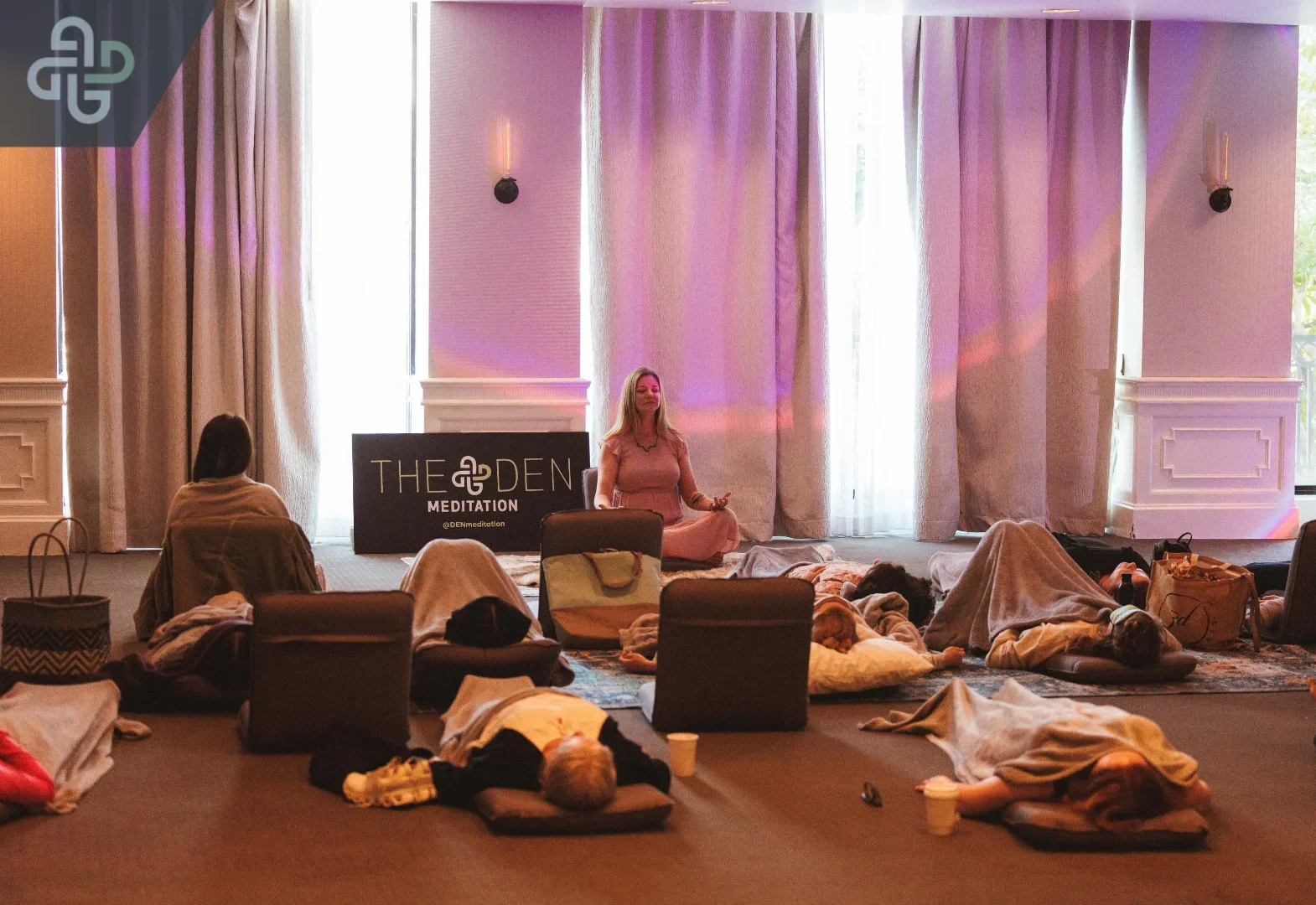
Hotel wellness experiences are scheduled, participatory moments that support how guests feel during a stay. Unlike static amenities, they give people something to join: a sound bath, breathwork session, guided meditation, movement class, or sleep ritual. Hotels are using them to create stronger memories without necessarily building a full spa.
Guests remembering the mattress is good.
Guests remembering how the hotel made them feel is better.
That is the shift behind a growing amount of hotel wellness programming.
A gym can be excellent and still be invisible to most guests.
A spa can be beautiful and still serve a limited number of people each day.
An experience is different. It happens at a time. People gather for it. It becomes part of the story of the stay.
That distinction is small on an amenities page and much bigger in real life.
What Are Hotel Wellness Experiences?
A hotel wellness experience is facilitated programming designed around wellbeing rather than a fixed facility or self-serve amenity.
Examples include:
guided meditation
sound baths
breathwork
yoga and gentle movement
stretching and mobility sessions
sleep or evening wind-down rituals
seasonal wellness gatherings
private sessions for corporate or celebration groups
The difference between an amenity and an experience is participation.
A pool is an amenity.
A guided floating meditation at the pool is an experience.
A rooftop is an amenity.
A sunset sound bath on the rooftop is an experience.
A meeting room is a meeting room until the tables are moved, the lights come down, and 40 conference guests arrive for meditation before dinner.
Hotels do not have to choose between the two. The experience gives existing space another job.
Why Guest Expectations Have Shifted
Wellness is no longer only the reason someone takes a wellness trip.
It is increasingly something travelers carry into ordinary travel.
The wellness tourism market now includes a large share of "secondary" wellness travelers: people whose trip is not primarily about wellness but who still maintain wellness routines or choose wellbeing-focused options while away.
That matters.
A person in Los Angeles for work may still want meditation.
A couple in Palm Springs for a weekend may still choose a sound bath before dinner.
A wedding guest in Santa Monica may still care about having a quiet morning after a late night.
The hotel does not need to become a retreat center to serve those moments.
Travelers want restoration, not only rest
A hotel has always promised rest in some form.
Bed.
Privacy.
Room service.
A break from the logistics of home.
Restoration is a slightly different promise.
It asks whether the stay leaves the guest feeling more human than when they checked in.
That can come from sleep.
It can come from food.
It can come from moving outside.
And sometimes it can come from one hour in a room where nobody needs anything from you.
Mental wellbeing has entered mainstream hospitality
The Global Wellness Institute's 2025 Global Wellness Economy Monitor reports strong growth across mental wellness and wellness tourism.
Hotels should not turn that into medical language.
Meditation is not therapy.
A sound bath is not a treatment for anxiety.
But the demand for experiences built around calm, attention, connection, sleep, and stress reduction is no longer difficult to understand.
Guests are already looking for them elsewhere.
Hospitality can make them easier to access.
Five Ways Wellness Experiences Transform the Guest Stay
1. They give guests a reason to stay on-property
Evening is a competitive time for hotels.
Guests can leave for dinner, drinks, entertainment, shopping, or anything else in the city.
A well-timed wellness experience gives them one more reason to stay for an hour.
That may lead naturally into dinner at the property.
Or a drink afterward.
Or simply a night where the hotel itself feels like part of the destination rather than the place between activities.
2. They create moments people can actually describe
"Nice gym" is not much of a story.
"We did a sound bath on the roof at sunset" is.
Experiential programming gives guests a specific memory attached to the property.
It also creates more meaningful visual content because the photos show something happening rather than another empty amenity shot.
That matters for social sharing, press, partnerships, and the hotel's own marketing.
But the event has to be worth photographing first.
3. They differentiate properties beyond room rate
Hotels in the same market often compete with a familiar list of advantages.
Location.
View.
Room size.
Breakfast.
Pool.
Price.
Wellness programming adds another dimension that is harder to compare in a filter.
A recurring experience can become part of the identity of the property.
Not "we have yoga sometimes."
More like "Sunday morning here means rooftop breathwork."
That is much more ownable.
4. They can contribute to a more memorable stay
Wellness does not need to carry the whole guest experience to influence it.
A sound bath will not rescue a bad mattress, slow check-in, or noisy room. But once the basics are working, facilitated experiences can add another layer to the stay: something sensory, social, and specific to the property.
That does not mean one sound bath automatically creates a five-star review.
It means the guest has one more thing to remember beyond the room product.
The strongest wellness programming contributes to that larger impression.
5. They create revenue and partnership opportunities beyond rooms and food
A hotel wellness calendar can serve more than overnight guests.
Locals can buy tickets.
Corporate groups can book private sessions.
Brands can sponsor or co-create activations.
Retreat groups can add facilitated programming.
Members can receive preferred access.
The exact model depends on the property, but wellness can become a flexible layer across leisure, community, meetings, and events rather than one isolated line item.
What Separates a Great Wellness Experience From a Box-Ticking One
Guests can feel the difference between programming that belongs in a hotel and programming somebody added because wellness is trending.
Use qualified facilitators
A Spotify meditation played over speakers is not a hotel meditation program.
The person leading the room matters.
Experience matters.
Communication matters.
So does the ability to work with complete beginners, mixed groups, and real hospitality schedules.
The DEN works with experienced facilitators across modalities including meditation, sound, breathwork, movement, and other practices.
Make the programming sound like the property
A desert resort and a city business hotel should not automatically run the same calendar.
Think about:
location
guest profile
daypart
season
existing food and beverage programming
meeting and event business
outdoor space
noise and operational constraints
the property's broader personality
A sunset experience makes sense where sunset is part of the reason people came.
An efficient 30-minute morning reset may make more sense at a business-heavy property.
Consistency changes perception
A one-off wellness event is an activation.
A recurring program can become an amenity.
That does not mean every property needs a daily schedule.
Monthly can be enough.
Seasonal can be enough.
The important thing is that the experience has a deliberate place rather than appearing randomly whenever somebody has budget left.
How Hotels Are Delivering Wellness Without Building a Spa
This is where the model gets practical.
Many hotel wellness experiences need space, not permanent infrastructure.
The DEN currently leads in-person wellness events across LA, Long Beach and Palm Springs, along with additional programming in Santa Monica and Menlo Park. Our hotel partnerships use spaces that already exist within the properties.
A ballroom can host sound after a daytime meeting.
A rooftop can host movement or meditation.
A terrace can work for breathwork.
An event room can become a private wellness space for one hour and return to another function afterward.
The partner-led model
Instead of hiring a full internal wellness team, a hotel can work with an operator that already has facilitators, programming knowledge, equipment, and event experience.
The hotel typically owns:
venue access
guest communication
internal operations
security and front-desk coordination
food and beverage tie-ins
room inventory, if relevant
The wellness partner can own or support:
program design
facilitator sourcing
practice-specific equipment
session flow
event setup guidance
practitioner management
local audience support, depending on the partnership
The exact division should be decided before launch.
Nothing kills calm faster than two teams assuming the other team brought the blankets.
Getting Started: A Practical Checklist for Hotel Teams
Before adding a new wellness experience, answer these questions.
Who is it for?
In-house guests, locals, corporate groups, members, or a mix?
What problem is it solving?
A quiet Tuesday? More evening programming? Group sales? Guest differentiation? Local community building?
What space actually works?
Look at flooring, acoustics, capacity, weather, privacy, bathrooms, elevators, and setup access.
What time makes sense?
Morning, pre-dinner, evening wind-down, weekend, seasonal?
What should the guest have to do?
The easier the booking and arrival, the better.
Who is leading it?
Choose facilitators with real group experience.
Is this a test or a recurring program?
Define success differently for a one-off pilot and a residency.
How will people hear about it?
Pre-arrival email, front desk, concierge, room collateral, social, local marketing, partner audience?
What happens after the first event?
Review attendance, guest feedback, operational friction, and whether the format fits the property.
That last question matters.
Do not keep a wellness program because the photos were nice.
Keep it because the experience worked.
Build the Experience Around the Hotel You Already Have
The most interesting thing about hotel wellness right now is how little it depends on becoming a "wellness hotel."
A property can start with one good room.
One good practitioner.
One time slot that makes sense.
Then learn.
The DEN helps hospitality teams plan a wellness experience for your property, from recurring hotel programming and public events to brand activations and custom retreats. You can also read more about The DEN's approach to wellness experiences.
The goal is not to add another amenity label.
It is to create a moment in the stay that guests would notice if it disappeared.
Frequently Asked Questions
What is a hotel wellness experience?
A hotel wellness experience is facilitated programming focused on wellbeing, such as a sound bath, meditation session, breathwork class, movement practice, or sleep ritual. Unlike a static amenity such as a gym or pool, it happens at a set time and gives guests something specific to participate in.
How do wellness experiences improve the guest experience?
They can make a stay more memorable, give guests useful on-property programming, create moments of rest or connection, and differentiate a hotel beyond standard amenities. Their impact depends on quality and fit: the experience should match the property, be led well, and be easy for guests to access.
Do hotels need a spa to offer wellness experiences?
No. Many experiences can happen in spaces the hotel already has, including rooftops, terraces, ballrooms, meeting rooms, lawns, pool decks, and suites. A specialist partner can provide facilitators and practice-specific equipment, allowing the property to test wellness programming without constructing a permanent spa.
How much space does a hotel need to host a wellness session?
It depends on the format and group size. Meditation and sound baths need enough comfortable floor or seating space plus room for the facilitator and equipment. Movement requires more clearance. Capacity should be based on guest comfort, accessibility, acoustics, and safe movement rather than the room's maximum event occupancy.
How often should a hotel run wellness programming?
Start with a cadence the property can sustain. A monthly or weekly recurring experience can build recognition more effectively than several unrelated one-off events. Hotels can begin with a pilot, review attendance and operations, then decide whether the format should become seasonal, monthly, weekly, or part of a larger residency.