

Holiday Office Activities for Mindfulness & Stress Relief
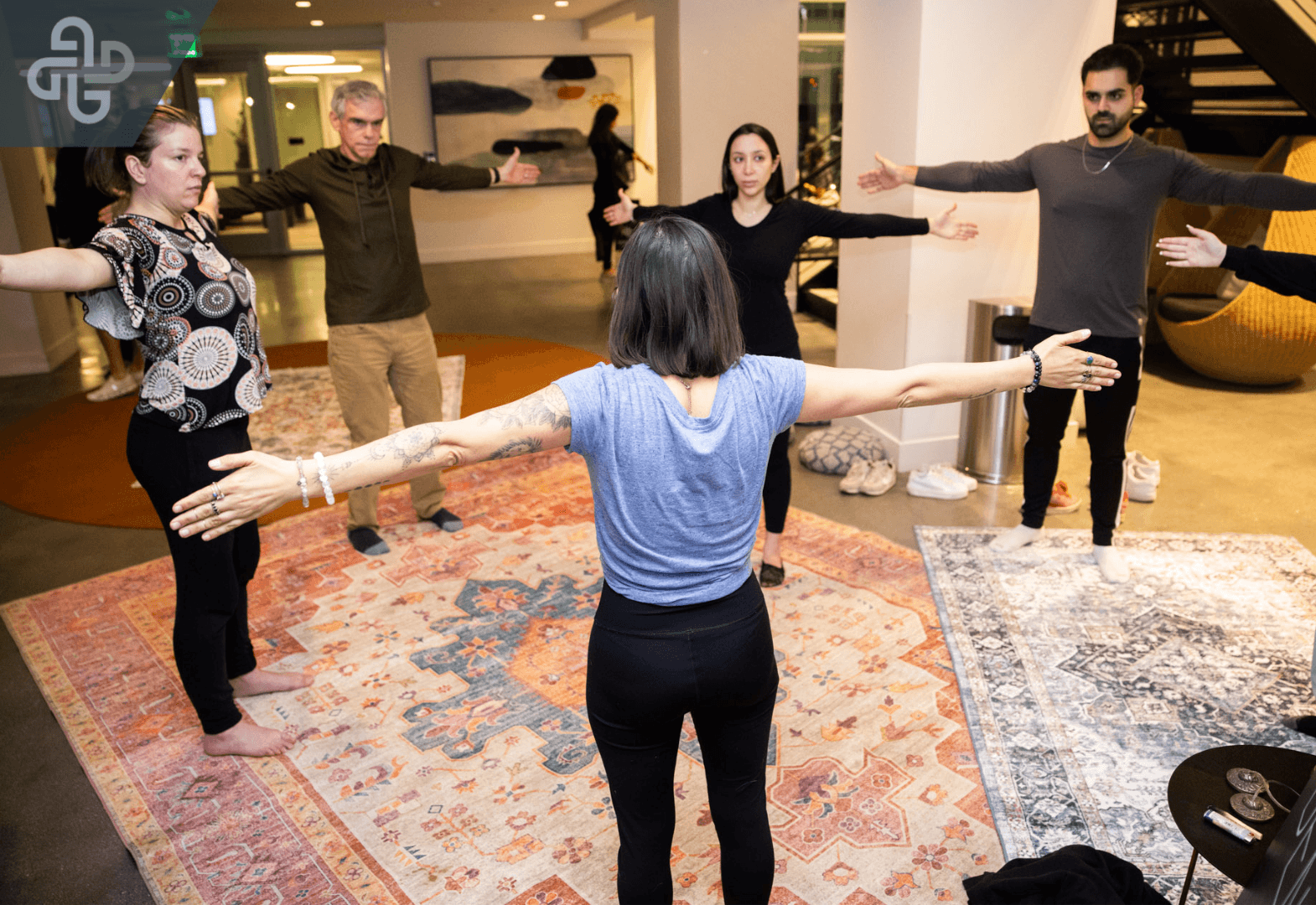
December can make an office feel like it is running two timelines at once. The business still needs results, but people are also juggling travel, family responsibilities, end-of-year deadlines, and the quiet pressure to show up “cheerful” through it all.
If you are planning holiday wellness activities at work, the goal is not to add more noise. It is to create small pockets of calm that make the workday easier to move through.
Why the Holiday Season Increases Workplace Stress
Holiday stress is not just a personal issue. It shows up at work as shorter tempers, lower focus, and more mental fatigue.
The American Psychological Association has reported that a large share of adults experience stress during the holiday season, and many people are actively looking for ways to cope.
At the same time, burnout does not pause for the holidays. Gallup’s research points out that burnout is often driven by factors like unmanageable workload, unclear communication, lack of manager support, and unreasonable time pressure. That list tends to get louder in peak season.
What this looks like in real life
More last-minute urgency, fewer clear priorities
Meetings that multiply because decisions are slower
People working while they are “off,” then returning depleted
A spike in conflict over small things (because stress is already high)
Holiday Office Activities That Support Mindfulness
Mindfulness at work does not need to be deep or spiritual to be useful. Mindful.org frames workplace mindfulness as practices that build focus, clarity, and compassion, especially when stress is high.
Here are practical workplace mindfulness activities during holidays that fit a busy schedule.
1) The two-minute arrival reset
Start a meeting with this:
Feet on the floor
One slow inhale, one slow exhale
Everyone silently names the one thing they are here to accomplish
Then begin.
It sounds small, but it stops the “carry over” effect where people bring stress from the last meeting into the next one.
2) A quiet corner that is actually quiet
Mindful.org suggests creating a dedicated quiet room or quiet space for meditation and reflection. You do not need a full wellness room. A chair, softer lighting, and a sign that says “quiet” is enough.
3) Device down moments
Try one “device down” block per day during peak season:
first 10 minutes of the morning
or the last 10 minutes before lunch
Mindful.org also recommends ideas like device-free meetings to support mindful working habits.
4) Mindful gratitude that does not feel cheesy
Skip generic compliments. Use this format:
“Thank you for ___”
“It helped because ___”
It lands better because it is specific, and it keeps recognition grounded.
Simple Stress Relief Activities for Employees During Busy Seasons
These are holiday stress relief activities for employees that work even for people who are not into “wellness.”
Micro resets (1 to 3 minutes)
Shoulder drop, jaw unclench, one slow breath
Stand up and look out a window for 30 seconds
A quick scan: “what is tight, what can soften?”
Short resets (5 minutes)
Guided breathing: inhale for four, exhale for six, repeat
A quiet walk to refill water, no phone
“Inbox boundary”: pick one email thread to finish, then stop
A 10-minute midday reset
A 10-minute guided practice is long enough to shift state, short enough to keep compliance high.
There is research support for mindfulness-based approaches in workplace settings. A systematic review and meta-regression analysis of randomized trials found that mindfulness-based and mindfulness-informed workplace interventions show benefits across wellbeing and work-related outcomes, though effects vary by program design and context.
Group Mindfulness Activities for the Workplace
Group practices help because they create a shared baseline. Everyone gets the same pause.
1) A weekly 15-minute group reset
Keep it consistent:
same day, same time
cameras optional for virtual teams
no discussion required afterward
2) Sound-based restoration
Sound-focused sessions are inclusive because they do not require flexibility, fitness, or “performing wellness.” People can simply lie down or sit and receive.
3) Team mindfulness for conflict reduction
This matters in December when people are stretched thin. A University of British Columbia study reported that when teams are more mindful, interpersonal conflict decreases, and frustrations are less likely to turn into personal conflict.
A simple way to apply this:
one minute pause before difficult conversations
one breath before responding
naming the goal of the conversation before debating details
4) A “quiet lunch” option
Once a week, offer a quiet lunch table. No team building prompts, no forced talking. Just a socially acceptable way to rest.
Creating a Mindful Holiday Workplace Culture
Holiday activities can help, but culture is what determines whether stress keeps piling up.
If Gallup’s burnout drivers are largely management and systems issues, then mindful culture means addressing the basics: workload realism, communication clarity, and support.
Small culture shifts that help fast
Publish the real priorities for the week
Reduce meetings that are not decision-based
Set a norm for response time during PTO weeks
Encourage leaders to model boundaries (people follow what leaders do, not what they say)
Mindfulness at work is not only “a practice.” It is also the permission to slow down enough to do work well.
Tips for Planning Holiday Wellness Activities at Work
Keep it inclusive
Not everyone celebrates the same holidays. Keep activities seasonal, not religious. Keep participation optional.
Time box everything
A “short reset” beats a long event that disrupts the day and creates resentment.
Make it easy to join
If it takes effort to participate, participation drops. Offer:
one short daily option
one weekly group option
one quiet space option
Use a simple planning template
Two-week holiday wellness rhythm
Monday: 2-minute meeting arrival reset
Wednesday: 10-minute guided mindfulness session
Friday: specific recognition round (two sentences each)
Work with a facilitator when you want it to feel elevated
If you want guided mindfulness, sound baths, or team wellbeing workshops that feel calm and professional, this is where a facilitator helps. The DEN offers workplace wellness experiences that can be tailored for teams and companies.
Conclusion
The most effective holiday office activities are the ones that lower friction, not the ones that create the biggest event.
Keep it short. Keep it inclusive. Give people a few repeatable moments of calm, plus clearer priorities and better boundaries. That is how mindfulness at work becomes real, especially during the busiest season of the year.
FAQ
Why are mindfulness activities helpful during the holidays?
Because the holiday season tends to increase stress and mental load, that stress often follows people into work. Mindfulness creates small pauses that reduce reactivity and support focus. Workplace mindfulness is commonly linked with clearer attention and wellbeing, especially when it is simple and consistent.
What are simple holiday office activities for stress relief?
Start with short options: a two-minute arrival reset before meetings, a quiet corner for five-minute breaks, and one 10-minute guided mindfulness session each week. These activities work because they are easy to repeat and do not require people to be “wellness types” to participate.
How can companies promote mindfulness at work?
Make it normal and practical. Add device downtime moments, protect small meeting free focus blocks, and build a quiet space people can use without explanation. Mindful.org also recommends habits like device-free meetings and quiet rooms to support a mindful working culture.
Do workplace mindfulness activities improve productivity?
They can, mainly by protecting attention and reducing stress spillover. Evidence from randomized trial reviews suggests workplace mindfulness interventions can improve well-being and work-related outcomes, though results vary depending on the program and the workplace context. The most reliable gains come from consistency, not one-time events.
How long should workplace mindfulness activities last?
Short is often better during peak season. Two minutes works for meeting openers, five minutes works for resets, and 10 to 15 minutes works for a guided group practice. You want it long enough to shift state, but short enough that people actually keep doing it.