

Small Business Retreat Ideas: Affordable Ways to Strengthen Your Team
A small team is intense in the best way. Everyone matters. Every handoff shows. Every mood change is felt in the room.
That’s also why things can get stuck. When you’re moving fast, misalignment doesn’t look like a big argument. It looks like a little misunderstandings that keep repeating. It looks like rework. It looks like “we’ll talk about it later” that never becomes later.
If you’re searching for small business retreat ideas, the good news is you do not need a big budget to make a retreat valuable. You just need the right structure.
Why Small Businesses Should Host Team Building Retreats
Small businesses usually do not have layers of management to cushion communication gaps. That’s a strength, but it’s also why a retreat can be so effective.
A strategic retreat is meant to pull the team out of its daily routine so you can take stock, talk about what needs adjusting, and address pivotal issues without the usual distractions.
For a small company, that often means:
clearing bottlenecks that slow everyone down
tightening roles and ownership so work stops falling through cracks
rebuilding trust after a heavy season
getting everyone aligned on what matters this quarter, not what feels loud today
Small Business Retreat Ideas That Deliver Big Impact
Here are retreat formats that work especially well for a small staff retreat because they are simple, affordable, and actually useful.
1) The local “staycation” retreat
Instead of spending on flights, choose a unique local space for a day or two and run a focused agenda with workshops and team activities.
Why it works for small teams:
less cost, less logistics
more energy saved for the actual work
still feels different from the office, which is the point
2) The “clear the clutter” strategy day
This is the retreat version of cleaning a closet. It’s not glamorous, but it changes everything.
A practical tip from a small business retreat planning guide is simple: get out of your usual environment because the shift helps you think more clearly.
What do you do on the day:
define the 3 goals for the next 90 days
identify the 3 biggest friction points in operations
decide what you will stop doing, not just what you will start
3) The customer experience retreat
Pick one customer journey and walk through it end to end as a team.
where customers get confused
where your team spends too much time
what feels inconsistent
It’s one of the fastest ways to create alignment across marketing, sales, and operations without turning the day into a “vision board” session.
4) The culture and communication reset
If your team is small, culture is not posters. Culture is tone, boundaries, and how decisions get made.
Try these prompts:
“What do we need more of as a team?”
“What do we need less of?”
“What do we want to protect as we grow?”
End with 3 working agreements everyone can follow.
5) The wellness plus work retreat
Some teams need a reset before they can think strategically.
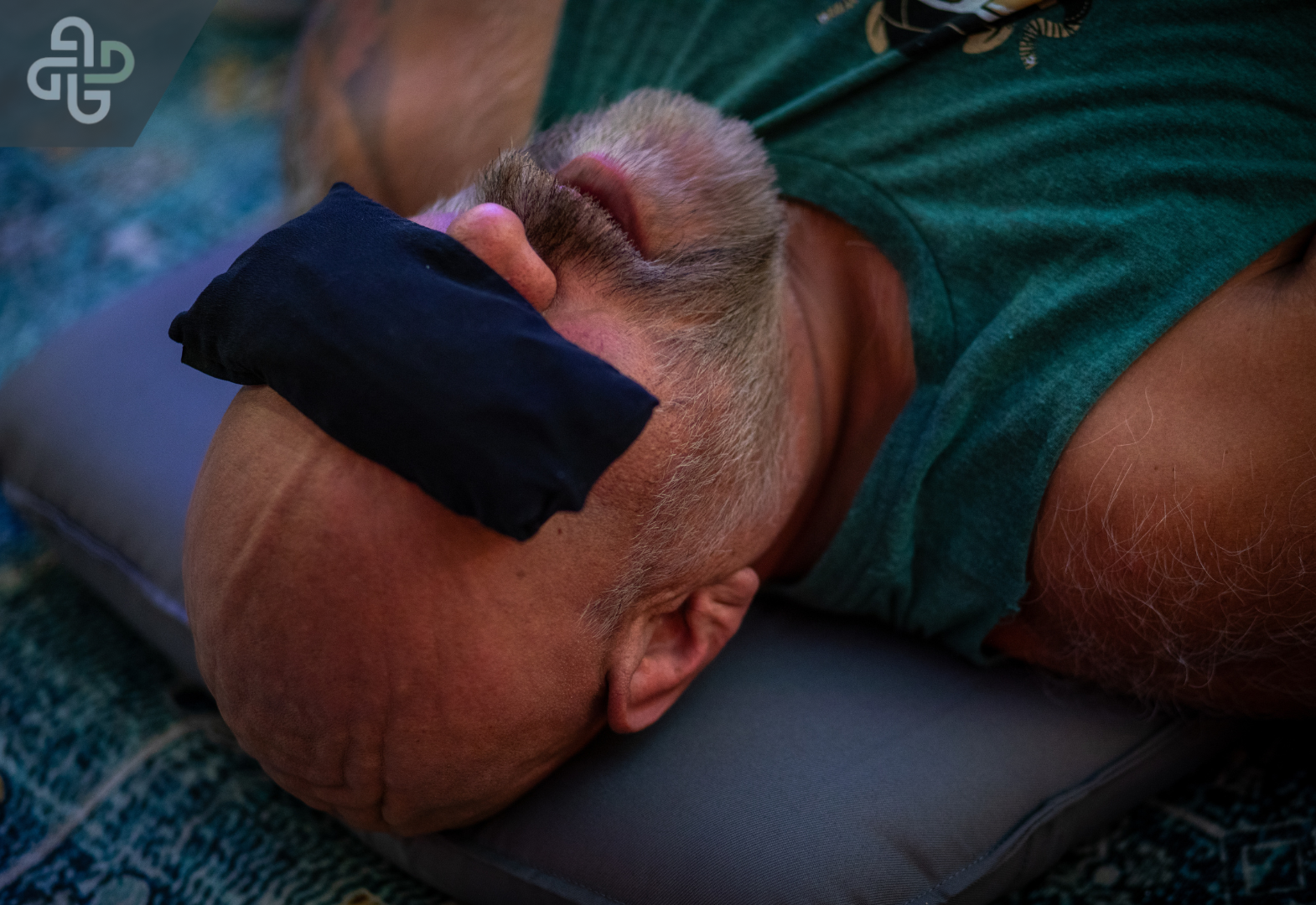
The DEN Meditation describes its corporate retreats as combining mindfulness practices, strategic planning, and intentional connection to support team growth.
A simple blend:
short guided meditation to downshift
one strategy block
one team connection activity
a restorative close (sound or breathwork)
Budget-Friendly Retreat Options for Small Teams
If money is tight, don’t shrink the retreat into nothing. Shrink the expensive parts.
The biggest cost levers are usually:
travel
venue
food
facilitation
Routespring’s budget retreat ideas highlight the “go local” approach and renting a nearby unique space as a key cost saver.
Affordable venue ideas that still feel special
a local loft or event space (one-day rental)
a coworking meeting room for the afternoon
a quiet boutique hotel conference room
a park shelter plus a nearby indoor backup
Simple budget example for a one-day retreat (10 people)
Costs vary by city, but this framework helps you plan without guessing.
| Budget line | Low | Mid | Notes |
|---|---|---|---|
| Venue | $0–$150 | $250–$600 | Park or borrowed space vs paid venue |
| Food and drinks | $150–$300 | $350–$700 | Coffee + lunch + snacks |
| Supplies | $25–$75 | $100–$200 | Sticky notes, markers, printed worksheets |
| Facilitation | $0 | Variable | Internal lead vs outside facilitator |
| Total | $175–$525 | $700–$1,500 | Keep it simple, spend where it matters |
If you bring in a facilitator, consider using them for the parts that are hardest to do internally: conflict cleanup, alignment conversations, or a guided mindfulness experience.
Team Building Activities for Work Retreats
A retreat does not need games all day. It needs the right moments.
Here’s a clean menu that works for small company retreat ideas.
Connection activities
Appreciation round: “One thing I appreciate about your work is…” (keep it specific)
Strength swap: each person shares one strength they bring and one support they need
Story behind the role: two minutes each, focus on work journey, not personal oversharing
Collaboration activities
Handoff mapping: draw how work moves today, then mark where it breaks
Decision rules: what we decide fast vs what we decide slowly
One friction fix: pick one recurring problem and solve it together
Calm and focus activities
This is where many small teams get the biggest payoff.
A UBC Sauder insight reported that when teams are more mindful, interpersonal conflict decreases, and frustrations are less likely to become personal conflict.
Try one of these:
a 5-minute guided reset before difficult discussions
a short sound-based restoration session
a closing meditation that helps people leave grounded, not overstimulated
Planning a Staff Retreat for a Small Staff
Small retreats work when you plan them like a product launch. Clear goal, simple agenda, solid follow-through.
BDC’s strategic retreat guidance includes preparation, setting an agenda, logistics, celebrating, and follow-up. That last part is where most retreats fail.
A simple planning checklist
Two to four weeks before
Choose the one outcome for the retreat
Send a 3-question pulse survey to the team
Confirm venue and timing
One week before
share agenda and what to prepare
gather data needed for strategy discussions (sales, projects, churn, feedback)
set expectations: phones down during sessions, breaks are real breaks
Day of
start with a calm arrival (no immediate “deep work”)
time box discussions
end with commitments and owners
Within 7 days after
Send the notes
assign owners and deadlines
Schedule a 30-minute check-in two weeks later
One-day agenda that works for small teams
9:00 Arrive, coffee, settle
9:30 Short guided reset
10:00 What’s working, what’s not
11:00 Break
11:15 Strategy block (90-day priorities)
12:30 Lunch
1:30 Team working agreements
2:30 One operational fix session
3:30 Closing commitments, next check-in
Choosing the Right Location for a Small Company Retreat
Pick a location that supports the mood you want.
If you want deep thinking, choose quiet and nature.
If you want fast execution, choose convenience and comfort.
McKinsey notes studies showing that time in nature has a positive effect on attention span and well-being.
That’s why many teams do better in settings with:
natural light
outdoor space for walking breaks
fewer interruptions than the office
If your team is in Los Angeles, adding an in-person meditation experience can be an easy way to anchor the day in calm. The DEN runs in-person wellness pop-up events across California, including locations like Palm Springs and Santa Barbara, through partnerships.
Conclusion
Small teams do not need bigger retreats. They need smarter ones.
Start local. Choose one outcome. Build a day that balances connection, clarity, and calm. Then follow up so the retreat becomes a turning point, not a nice memory.
If you want support designing a retreat that blends strategy and wellbeing, The DEN’s workplace wellness solutions and custom retreats are built for groups of all sizes, including small leadership teams.
FAQ
What is a small business retreat?
It’s a planned offsite for a small team to reset, align on priorities, and strengthen how people work together. The goal is usually clarity and connection, not a long trip or expensive production. Strategic retreat guidance emphasizes stepping out of routine to discuss adjustments and key issues.
What activities work well for small company retreats?
Structured conversations work best: handoff mapping, working agreements, appreciation rounds, and one operational problem-solving session. Adding a short mindfulness reset can help teams stay calm and reduce conflict, which UBC research links to team mindfulness.
How do you plan a staff retreat for a small staff?
Choose one outcome, send a short pulse survey, set a tight agenda, and protect breaks. After the retreat, assign owners and schedule a follow-up check-in. BDC’s retreat steps include follow-up as a key part of making the retreat matter.
Are small business retreats expensive?
They don’t have to be. Routespring recommends cost-saving approaches like hosting a local staycation-style retreat and renting a nearby unique space instead of flying everyone out. Most small teams can run a high-impact one-day retreat with a modest venue and simple food plan.
Why are team-building retreats important for small companies?
Because small teams feel friction faster and depend more on clear collaboration. A retreat creates space to strengthen relationships, clarify priorities, and fix operational bottlenecks without daily distractions.