

What Is Corporate Wellness?
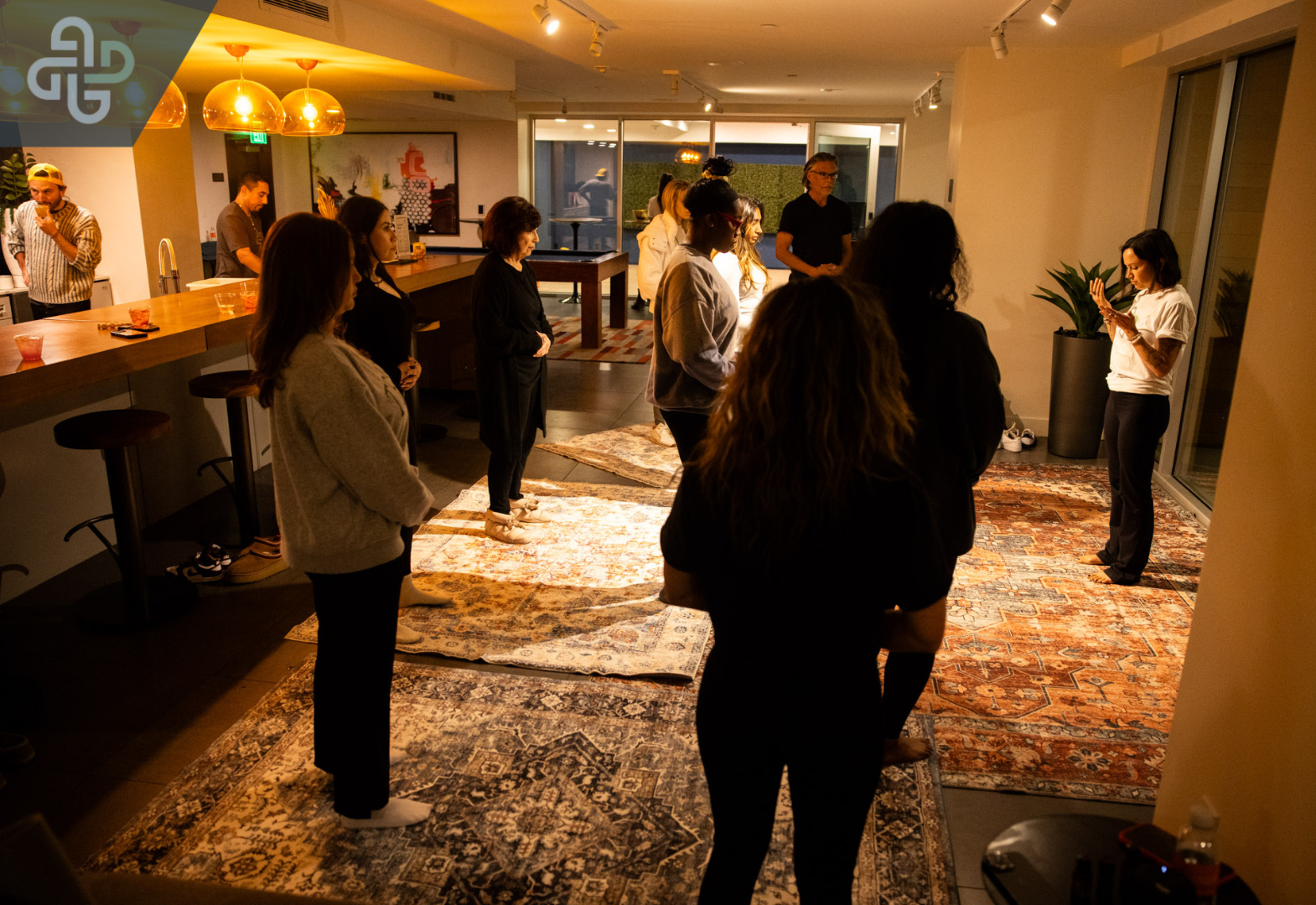
If you’ve ever asked yourself what corporate wellness really means, you’re not alone. The term gets used for everything from fitness challenges and meditation apps to therapy coverage and flexible work policies.
At its core, corporate wellness is much simpler than the buzzwords suggest. It is a coordinated effort by an organization to help employees stay healthy, manage stress, and function well at work, while also creating a safer and more supportive environment.
In practice, a strong wellness program looks at two sides of the same coin:
Support for individuals, such as mental health resources, movement sessions, or recovery practices.
Support for the workplace itself, including healthier workloads, trained managers, psychological safety, and clearer expectations.
This distinction matters. Wellbeing is shaped not only by what people do outside office hours, but by how work is designed and experienced every day.
What Is a Workplace Wellness Program?
In a corporate setting, a wellness program can be defined as a set of strategies and supports a company uses to improve employee health and reduce preventable risks. These usually combine education, access to care, supportive policies, and an environment that makes healthy choices easier.
You may also hear the term corporate health and wellness. In reality, most effective programs address both. “Health” covers prevention, care access, and physical habits. “Wellness” includes stress, recovery, connection, and a sense of purpose at work.
What Do Corporate Wellness Services Usually Include?
Most corporate well-being solutions fall into a few broad categories. Thinking in these buckets helps when comparing providers or designing your own program.
| Program type | Examples | Best for | Watch-outs |
|---|---|---|---|
| Education and skills | Stress management, sleep, nutrition basics | Large, diverse teams | Information alone rarely changes behavior |
| Mental health support | EAPs, therapy access, and manager training | High-pressure environments | Trust and confidentiality are critical |
| Movement and ergonomics | Mobility sessions, workstation support | Desk-based roles | Needs visible leadership participation |
| Recovery and restoration | Meditation, breathwork, sound sessions | Burnout and cognitive load | Must be optional, never forced |
| Community and culture | Peer circles, team rituals | Belonging and retention | Must include all roles and shifts |
| Whole-work approach | Workload design, role clarity, safety | Systemic stress | Requires operational change, not just perks |
This broader “whole-work” view aligns with public health approaches that emphasize both protection from harm and the conditions that allow people to thrive.
Do Corporate Wellness Programs Actually Work?
The honest answer is: sometimes, and in specific ways.
Large studies have shown that wellness programs can improve certain health behaviors and engagement for participants. At the same time, they often do not lead to quick or dramatic changes in healthcare costs or absenteeism, especially in the first year or two.
What they can realistically do well is:
Help people build stress and recovery skills.
Signal that leadership values wellbeing, not just output.
Strengthen connection and psychological safety when programs are consistent and well-facilitated.
Where organizations run into trouble is when wellness is treated as a quick fix for deeper issues such as chronic overload, unclear roles, or unsupportive management. No amount of yoga or app subscriptions can compensate for a culture that keeps people in constant survival mode.
Common Types of Corporate Wellness Programs
Most company programs follow one or a mix of these models.
1. Platform-based programs
Digital libraries, challenges, and tracking tools.
Strengths: easy to roll out, scalable.
Limits: engagement drops if the culture does not support regular use.
2. Events and experiences
Workshops, guided sessions, wellness days, or retreats.
Strengths: human, connective, and often high participation.
Limits: need consistency to create lasting habits.
3. Benefits-first approach
Expanded mental health coverage, flexible schedules, and manager training.
Strengths: removes real barriers to care.
Limits: requires strong internal communication and alignment.
4. Whole-work design
Focus on workload, clarity, safety, and leadership behavior.
Strengths: highest long-term impact.
Limits: more complex, because it touches operations and culture.
What to Think About Before Choosing a Wellness Platform
Before investing in any corporate wellness service, it helps to slow down and ask a few grounding questions:
What problem are we trying to solve right now: burnout, retention, stress, connection, recovery?
Who is this truly accessible for across roles, schedules, and locations?
How is employee privacy protected, and what data is collected, if any?
What will “success” look like in the first three months?
Is participation genuinely optional and free of pressure?
Are leaders willing to take part and model the behavior?
Will this make work feel lighter and more supportive, or add another obligation?
The most trusted programs feel like support, not surveillance, and like relief, not another task on an already full plate.
How to Choose a Corporate Wellness Provider
A practical checklist can help cut through marketing language:
An evidence-informed approach without exaggerated claims.
Trauma-aware facilitation that respects choice and pacing.
Options for different comfort levels, from quiet to active.
Accessibility for different roles and time zones.
Clear standards for facilitator quality and consistency.
Simple, respectful ways to measure engagement and feedback.
Clear boundaries around what the provider does and does not offer.
Where Experience-Based Wellness Fits
Some organizations find that guided, in-person, or virtual experiences help teams reset, especially during demanding periods. These may include meditation, breathwork, sound sessions, or facilitated reflection.
For companies exploring this path, The DEN Meditation offers private and corporate sessions, workshops, and retreats designed around the specific needs of a group rather than a one-size-fits-all format. As with any intervention, these experiences work best when paired with reasonable workloads and supportive leadership, not used as a substitute for them.
Final Thoughts
Corporate wellness is not a single perk or a quarterly event. It is a strategy that blends:
Practical services employees will actually use.
A work environment that reduces unnecessary strain.
Leadership habits that make wellbeing feel normal and safe.
The most useful starting point is often a simple one: what would genuinely support people next week? From there, programs can grow into something sustainable, human, and truly helpful.
FAQ
What is corporate wellness?
Corporate wellness is an organization’s structured effort to support employee health, safety, and well-being through programs, services, and workplace policies. It can include education, mental health care, movement, recovery practices, and improvements in how work is designed and managed.
What are corporate wellness services?
These are the specific offerings within a wellness program, such as workshops, coaching, therapy access, stress management training, recovery sessions, and team retreats. The most effective services match real employee needs and protect privacy.
Do corporate wellness programs reduce healthcare costs?
Not reliably in the short term. Research shows improvements in some behaviors, but healthcare spending often remains unchanged in the first 12 to 18 months. Long-term impact depends on participation, program quality, and healthier working conditions.
How do I choose a wellness platform for my company?
Start with a clear goal, then assess privacy, accessibility, facilitator quality, and how success will be measured. Choose a platform that fits your culture and workload realities rather than one that assumes unlimited time and motivation.
What should employees consider before joining a wellness program?
Check that participation is optional, understand what data is collected, and notice whether the program feels supportive rather than performative. Trying a session and seeing how it affects stress and energy is often the best guide.