

Mindful Experiences Around Palo Alto: From Forest Bathing to Sound Healing
Palo Alto has a specific kind of energy. High ambition, fast brains, full calendars. Which is exactly why “meditation Palo Alto” has become such a common search.
Most people are not looking for a perfect spiritual reset. They want something practical that helps them feel more human again. Something that works on a Wednesday, not just on a once-a-year getaway.
This guide walks through the most grounded mindful experiences around Palo Alto, from forest bathing to sound healing, plus how to choose the right one without getting overwhelmed.
What is a mindful experience, really?
A mindful experience is anything that helps your attention come back into your body, on purpose, for long enough that you feel a shift. That can look like a quiet sit in a meditation hall, a guided walk through redwoods, or a sound bath where the only job is to lie down and receive.
It helps to think in terms of outcomes, not labels.
If you want calm: steady breath, gentle guidance, low stimulation
If you want clarity: structured meditation, journaling, silent practice
If you want release: somatic work, longer sessions, deeper rest containers
If you want consistency: weekly community, membership-style routines
Research on mindfulness-based practices suggests benefits for stress and overall well-being for some people, especially when practiced consistently and with realistic expectations.
Meditation Palo Alto options usually fall into 5 categories
Here is the simple map. Use it to choose faster.
| Experience type | Time | Support level | Best for | Typical cost |
|---|---|---|---|---|
| DIY nature walk (mindful) | 30 to 90 min | Low | quick nervous system downshift | free to low |
| Guided forest bathing | 1.5 to 3 hrs | Medium | stress reduction, gentle reset | medium |
| Community meditation sits | 45 to 90 min | Medium | consistency, learning basics | often donation based |
| Sound healing or sound bath | 45 to 75 min | Medium | deep rest, turning the mind off | medium |
| Day or weekend retreat | 1 to 3 days | High | real pattern change, deep practice | varies |
Now, let’s make each one concrete around Palo Alto.
1) Forest bathing close to Palo Alto: quiet nature that does the work
Forest bathing is not hiking for exercise. It is a slow, sensory practice, often guided, that helps your nervous system settle through sight, sound, smell, and pace.
Easy places to try a DIY version
If you want a simple start, choose a nature area that feels safe and easy to navigate.
Palo Alto Baylands Nature Preserve is a large marshland preserve with miles of trails and strong open sky energy, great for slow walking and breathing breaks.
Foothills Nature Preserve offers extensive trail options and a “get out of your head” feeling, especially when you go earlier in the day.
Midpen Open Space preserves like Windy Hill are a good option when you want more elevation and a “bigger” landscape without leaving the Peninsula.
If you want a guided forest bathing experience
Look for facilitators trained specifically in forest therapy style sessions. One way is to use a professional directory such as the Association of Nature and Forest Therapy's “Find a Guide” listing.
What the research says: Reviews of shinrin yoku (forest bathing) research suggest it may support stress reduction and mood for some people, though results vary and study quality differs. It is best seen as supportive, not a replacement for care.
2) Local meditation communities: the most underrated option
If your real goal is to feel steadier over time, community practice often beats occasional “big” experiences.
One respected option near Palo Alto is the Insight Meditation Center (IMC) in the Peninsula area, which offers mindfulness-based teachings and a wide schedule. Some introductory offerings are explicitly offered freely with optional donations.
Why this matters: When people say “meditation didn’t work for me,” it is often because they tried to do it alone with no structure. A community setting reduces friction.
A simple way to choose a class or sit
Pick one weekly session you can actually attend
Commit for four weeks, not forever
If you feel worse after sessions, choose a gentler format or ask for guidance
3) Sound healing in the Bay Area: rest for people who cannot “turn off”
Sound baths tend to attract a certain kind of person: high mental load, always thinking, struggling to drop into quiet. Sound gives the brain something to follow, so the body can soften.
There is also emerging research on sound meditation approaches. For example, a study on singing bowl meditation reported reductions in tension and anxiety and increased feelings of spiritual well-being in participants, though it is not a universal outcome, and more rigorous research is still needed.
Where the DEN Meditation fits around Palo Alto
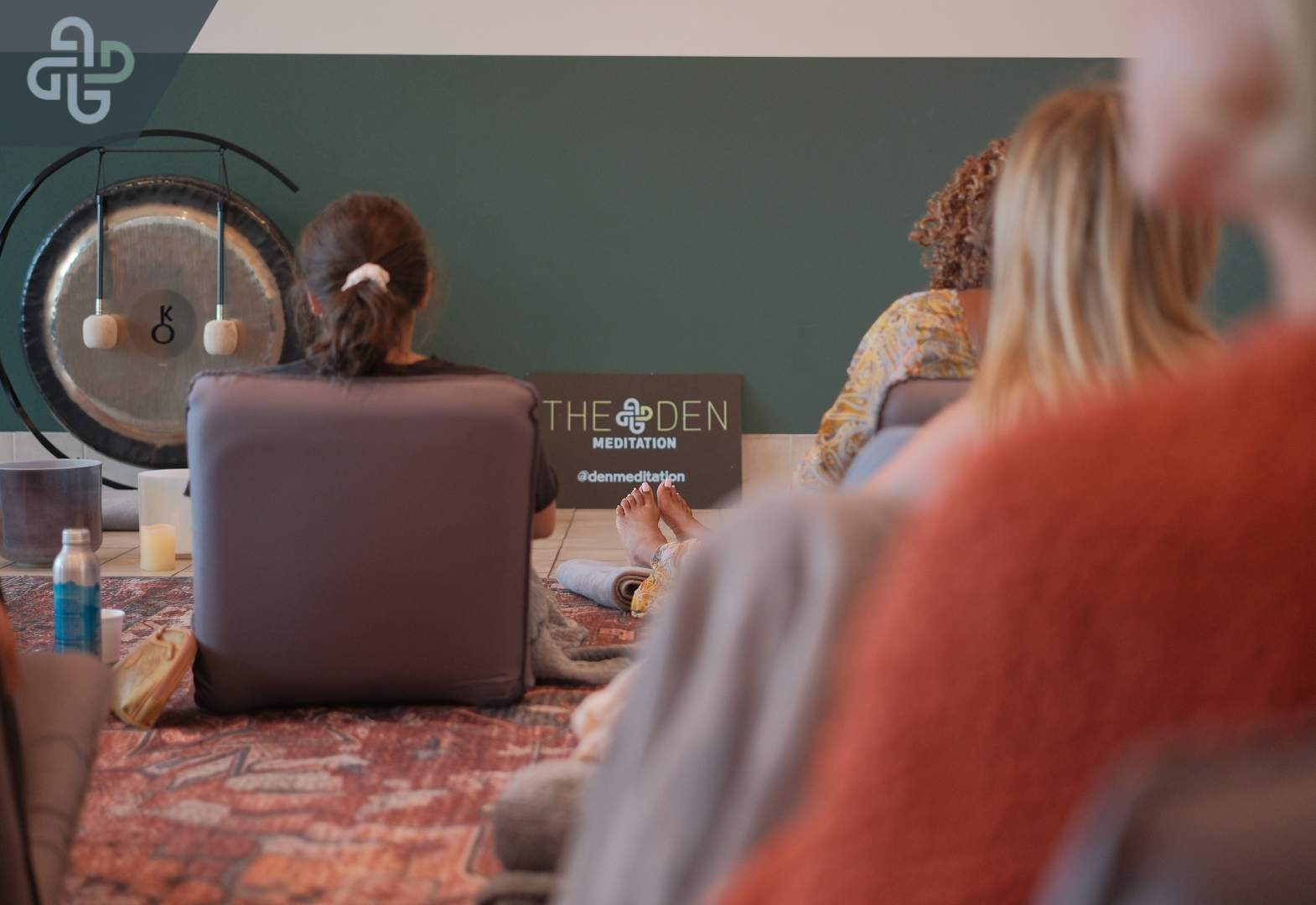
For Palo Alto and the Peninsula, it is worth checking The DEN Meditation’s Bay Area offerings, including pop-ups and hotel residencies (their Bay Area page references a partnership and residency context in the Silicon Valley corridor).
If you want the most current options, the safest move is to check their live in-person events page, since schedules change.
4) Day and weekend retreats: when you need more than a one-hour reset
Retreats are for when your usual tools are not enough. Not because you are broken, but because the environment you live in keeps pulling you back into the same state.
Two well-known retreat style options within driving distance include:
Insight Retreat Center (IRC) near Santa Cruz, which offers silent insight meditation retreats and states that retreats are offered freely, supported by donations.
Vajrapani Institute in the Santa Cruz Mountains area, which offers group and private retreat formats and is positioned as a retreat center.
If you have never done a retreat, start with a daylong. Your system learns faster when the first experience feels doable.
5) Recovery as a productivity tool, not a luxury
A lot of high performers secretly treat wellness like a reward. “I will rest after I finish everything.”
But Palo Alto life does not really end. There is always more. So the smarter shift is making recovery part of the weekly rhythm.
A practical weekly routine might look like this:
One nature session (Baylands or Foothills slow walk)
One guided practice (meditation sit or sound bath)
One short daily habit (5 minutes of breath plus a phone-free pause)
That is enough to change your baseline over time.
How to choose the right mindful experience for you
Choose based on your nervous system, not your aesthetic
Ask yourself:
Do I need quiet or guided support right now?
Am I depleted, anxious, or restless?
Do I want a gentle reset or a deeper container?
Look for safety and integrity
Especially for breathwork, somatic work, or trauma adjacent spaces:
clear facilitation and consent language
an option to pause or opt out
realistic claims, not miracle promises
Be honest about logistics
If driving and parking make you tense, pick something closer. If your schedule is packed, choose shorter sessions you can repeat.
Consistency beats intensity most of the time.
FAQ
What are the best meditation Palo Alto options for beginners?
Beginners usually do best with either a simple community sit (where there is structure and guidance) or a gentle sound bath style session where the body can rest without “doing it right.” A short guided forest bathing walk can also be beginner-friendly because nature naturally slows you down.
Is forest bathing actually evidence-based?
Forest bathing (shinrin yoku) has a growing body of research. Reviews suggest it may support stress reduction and mood for some people, though results vary and studies differ in strength. The most reliable way to approach it is as supportive nervous system care, not a cure or replacement for medical treatment.
Are sound baths scientifically proven?
Sound baths are harder to study because formats vary widely. Some research on singing bowl meditation has found reductions in tension and anxiety in participants, but the evidence base is still developing, and outcomes are not guaranteed. The best approach is to try a reputable facilitator, then track how you feel over several sessions.
How much do mindful experiences around Palo Alto usually cost?
Costs vary by format. DIY nature walks are typically free or low-cost. Meditation communities may run on donations for many classes. Sound baths and guided experiences often fall into a mid-range per session. Retreats can range from donation-based models to paid programs, depending on the center and length.
How do I know if I should do a retreat?
Consider a retreat if your stress feels “sticky,” your sleep is off, or you keep cycling back into the same patterns even when you practice. Start small with a daylong retreat if you are unsure. Retreat centers often describe what their retreats include and what kind of silence or structure to expect.
A calm life in Palo Alto needs intentional design
If you live or work near Palo Alto, you do not need a dramatic reset to feel better. You need a weekly rhythm that brings you back to yourself.
Start with one experience that feels doable this week. A quiet walk. A community sits. A sound bath that helps you finally unclench.
If you want a guided experience in the Bay Area, keep an eye on The DEN Meditation’s in-person events schedule and choose a session that matches the kind of support you want.