
25 Mental Health Awareness Month Event Ideas for Workplaces
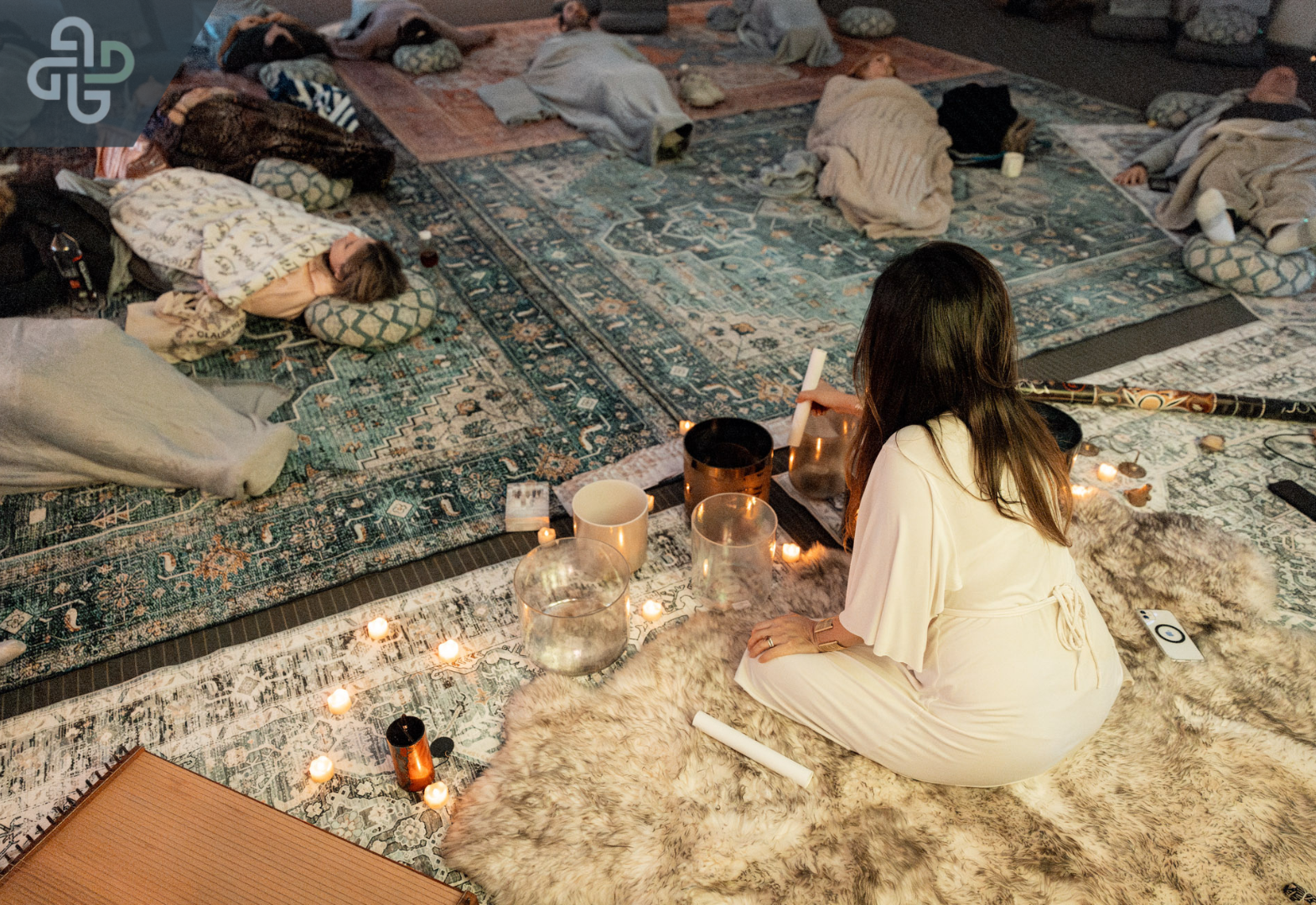
Mental health awareness month events are simple workplace activities held in May to support employee well-being, reduce stigma, and make mental health conversations feel more normal and safe.
May is recognized as Mental Health Awareness Month in the United States, a time dedicated to encouraging open conversations and stronger support systems. For workplaces, this matters more than ever. Employees increasingly value environments that support their emotional and psychological well-being.
The good news is, meaningful change doesn’t require complex programs. Small, thoughtful actions can go a long way in creating a healthier workplace.
Why Mental Health Awareness Events Matter in the Workplace
A good workplace mental health event does not need to be dramatic. It just needs to make support feel real.
Sometimes that looks like education. Sometimes it looks quiet. Sometimes it is a room where people can breathe for twenty minutes without being asked to perform. What employees usually remember is not the slogan. It is whether the company created a moment that actually felt helpful.
CDC guidance is clear on this point. Work-related stress affects well-being, managers play a major role in reducing it, and changing workplace practices is one of the best ways to address worker mental health. WHO similarly recommends manager training, mental health awareness training, and practical stress reduction support at work.
That is why the best corporate wellness events are not random one-offs. They fit into a broader culture that values rest, communication, flexibility, and support.
25 Mental Health Awareness Month Events & Activities for Workplaces
Here are 25 practical ideas you can actually use in May.
1. Guided meditation break
Bring in a teacher for a 20 to 30-minute guided meditation. Keep it simple. No heavy explanation, no pressure to “do it right,” just a real pause in the middle of the day.
2. Workplace sound bath
A sound bath works well for teams that are mentally tired but not eager to talk. It gives people a chance to rest without having to share anything personal.
3. Breathwork for stress regulation
Offer a short breathwork session focused on calming the nervous system before big meetings, after intense project cycles, or during a busy month. This works especially well for high-pressure teams.
4. No meeting wellness hour
Block one hour across the company and protect it. Let people use it for a walk, journaling, meditation, stretching, or simply doing nothing.
5. Mental health resource fair
Set up a small internal event with information on therapy benefits, EAP services, crisis resources, burnout support, mindfulness apps, and community resources. Many employees do not use support simply because they do not know where to start.
6. Manager training on mental health conversations
Teach managers how to notice stress, respond with care, and guide employees toward support without trying to become therapists. WHO and CDC both emphasize that supervisors matter here.
7. Mental health lunch and learn
Host a short educational session on one focused topic such as stress, sleep, burnout, boundaries, or emotional regulation. Keep it useful, not overly clinical.
8. Journaling workshop
A guided journaling session can help people process stress privately. Give prompts that feel grounded, such as “What has been draining me lately?” or “What helps me feel steady again?”
9. Walk and talk break groups
Invite employees to step outside in pairs or small groups for a 15-minute walk. For many teams, movement makes conversation feel easier and less formal.
10. Quiet room or reset space
Convert one room into a calm space for the month. Soft lighting, no laptops, no meetings, no calls. Just a place to decompress for a few minutes.
11. Digital boundaries workshop
Run a session on after-hours messaging, email pressure, focus time, and notification fatigue. Mental health at work is not only about coping better. It is also about reducing needless strain.
12. Gratitude wall
Create a shared wall where employees can post notes of appreciation. This is simple, but it can shift the tone of a team in a meaningful way when done sincerely.
13. Burnout check in survey
Send a short anonymous survey asking what people need more of, less of, and what is creating friction right now. Then actually respond to what you learn.
14. Sleep and recovery seminar
Bring in an expert to talk about sleep, rest, and the link between recovery and performance. Tired teams do not need more motivation. They need recovery.
15. Mindful eating lunch
Host a slow lunch with no presentations and no agenda. Encourage people to step away from their desks and eat without multitasking.
16. Creative expression session
Offer a low-pressure art activity like painting, collage, or intuitive drawing. This works well for teams that spend most of their day in structured, analytical work.
17. Mental health book or article club
Pick one short piece on workplace stress, resilience, or emotional health. The point is not homework. The point is to create a thoughtful conversation that is not forced.
18. Peer support circles
Create small, optional discussion groups with a facilitator. These can focus on themes like overwhelm, work-life balance, or staying grounded during change.
19. Stretch and mobility break
A short guided movement session can help desk-based teams release physical tension that often builds alongside mental stress.
20. PTO awareness campaign
May is a good time to remind employees to actually use their time off. Encourage managers to lead by example. A wellness message means little if people feel guilty for resting.
21. Therapy benefits explainer session
A lot of people do not understand what their insurance covers or how to access therapy. Walk them through it in plain language.
22. Volunteer day
Give teams the chance to spend time helping a local cause. Community connection matters, and NAMI’s Mental Health Awareness Month messaging also centers healing through community and shared support.
23. Green day for awareness
Invite employees to wear green, decorate a shared space, or tie the day to a fundraising or education effort. Mental Health America’s awareness campaigns use green as a visible symbol of support and hope.
24. Mental wellness challenge
Run a simple five-day challenge with actions people can actually do: drink water, step outside, take a real lunch break, leave work on time, or write down one thing that helped.
25. Custom wellness event for your team
For teams that want something more immersive, create a curated experience with meditation, sound, breathwork, journaling, or a restorative retreat-style session. This works especially well for companies that want May's mental health awareness month activities to feel intentional, not checkbox-based.
How to Choose the Right Mental Health Activities for Your Workplace
Not every team needs the same thing. A law firm, a startup, a school staff, and a retail team will not respond to the same format.
Use this simple guide:
| If your team needs... | Try this kind of event |
|---|---|
| Quiet and nervous system support | Meditation, sound bath, breathwork, reset room |
| Better communication and culture | Manager training, peer circles, gratitude wall |
| Practical education | Lunch and learn, benefits explainer, sleep seminar |
| More connection | Walk and talk groups, volunteer day, shared lunch |
| A low-effort entry point | No meeting hour, green day, wellness challenge |
A few good questions help narrow it down:
Are people emotionally exhausted, disconnected, or both?
Would they respond better to private support or group connection?
Does leadership want a visible event, a practical workshop, or a culture shift?
Is the team remote, hybrid, or in person?
Can the company follow through after May?
The CDC workplace health model recommends coordinated, systematic, and comprehensive planning rather than random, isolated efforts. In plain terms, that means the event should fit the actual needs of the people in the room.
Tips for Planning Successful Corporate Wellness Events
A workplace mental health event can backfire when it feels performative. People can tell the difference.
Here is what tends to work better:
Make it optional
Support should feel available, not forced. Mandatory vulnerability rarely helps.
Keep the tone calm and practical
Avoid big claims. Avoid making the event feel like a branding exercise. Give people something useful.
Train managers too
Employees notice when leadership is included in the work. WHO recommends manager training because managers shape the day-to-day environment more than most policies do.
Protect time for participation
Do not schedule a wellness event and then overload calendars so no one can attend without stress.
Offer different formats
Some people want a workshop. Others want silence. Others want movement. A strong month usually includes more than one style.
Follow up after May
The most meaningful mental health awareness campaign ideas do not end on May 31. Use May as the starting point for better habits, better conversations, and better support.
At The DEN Meditation, this is often where workplace wellness lands best: not as a performance, but as a shift in pace. A well-designed event gives people room to breathe and room to feel human again.
Mental Health Awareness Week Ideas
If you want a simple five-day structure, this works well.
Monday: Start with awareness
Hold a short kickoff talk on why mental health matters at work. Share benefits, support options, and the month’s schedule.
Tuesday: Focus on regulation
Offer meditation, breathwork, or a sound bath at lunch or in the late afternoon.
Wednesday: Build a connection
Run a walk and talk session, peer circle, or team lunch without work talk.
Thursday: Learn something useful
Host a workshop on burnout, stress, sleep, or digital boundaries.
Friday: End with restoration
Keep meetings light, encourage people to log off on time, and close with a gratitude or reflection activity.
This kind of structure helps companies that want mental health week ideas without overcomplicating the month.
FAQ
What are mental health awareness month events?
Mental health awareness month events are activities held in May to help people talk more openly about mental health, reduce stigma, and connect employees to support. In workplaces, these events can include education, mindfulness sessions, rest-based activities, manager training, and community building.
What are some easy mental health activities for employees?
Some of the easiest options are guided meditation, a no-meeting wellness hour, walk and talk breaks, journaling, gratitude walls, and short stress management workshops. These are simple to run, low-pressure, and do not require employees to share personal details.
How can companies plan mental health awareness events?
Start by asking what the team actually needs. Then choose one or two formats that fit the workplace, protect time for participation, and make the tone supportive rather than performative. CDC recommends building workplace health efforts in a coordinated and intentional way, not as disconnected one-off events.
Why are corporate wellness events important?
Corporate wellness events matter because work can either support mental health or strain it. WHO says safe, healthy work can protect mental health, while poor structures and lack of support can harm it. Thoughtful events help normalize care, reduce stigma, and open the door to better workplace culture.
What are some fun mental health activities for the workplace?
Fun mental health activities can include creative workshops, green day awareness events, team walks, community volunteering, art sessions, or a light wellness challenge. The goal is not to make mental health trivial. It is to make support approachable and easier to join.
Conclusion
The best mental health awareness month events do not need to be huge to matter. A quiet meditation session, a well-timed workshop, a real break, or a thoughtful team experience can change the tone of a workplace more than a polished campaign ever will.
For May, focus on what feels honest, useful, and easy for your team to receive. That is usually where real impact begins.
For a softer, more restorative approach to corporate wellness events, The DEN Meditation can support workplaces with grounded experiences like meditation, sound baths, breathwork, and custom team wellness programming.