

How to Plan a Corporate Wellness Day in Southern California
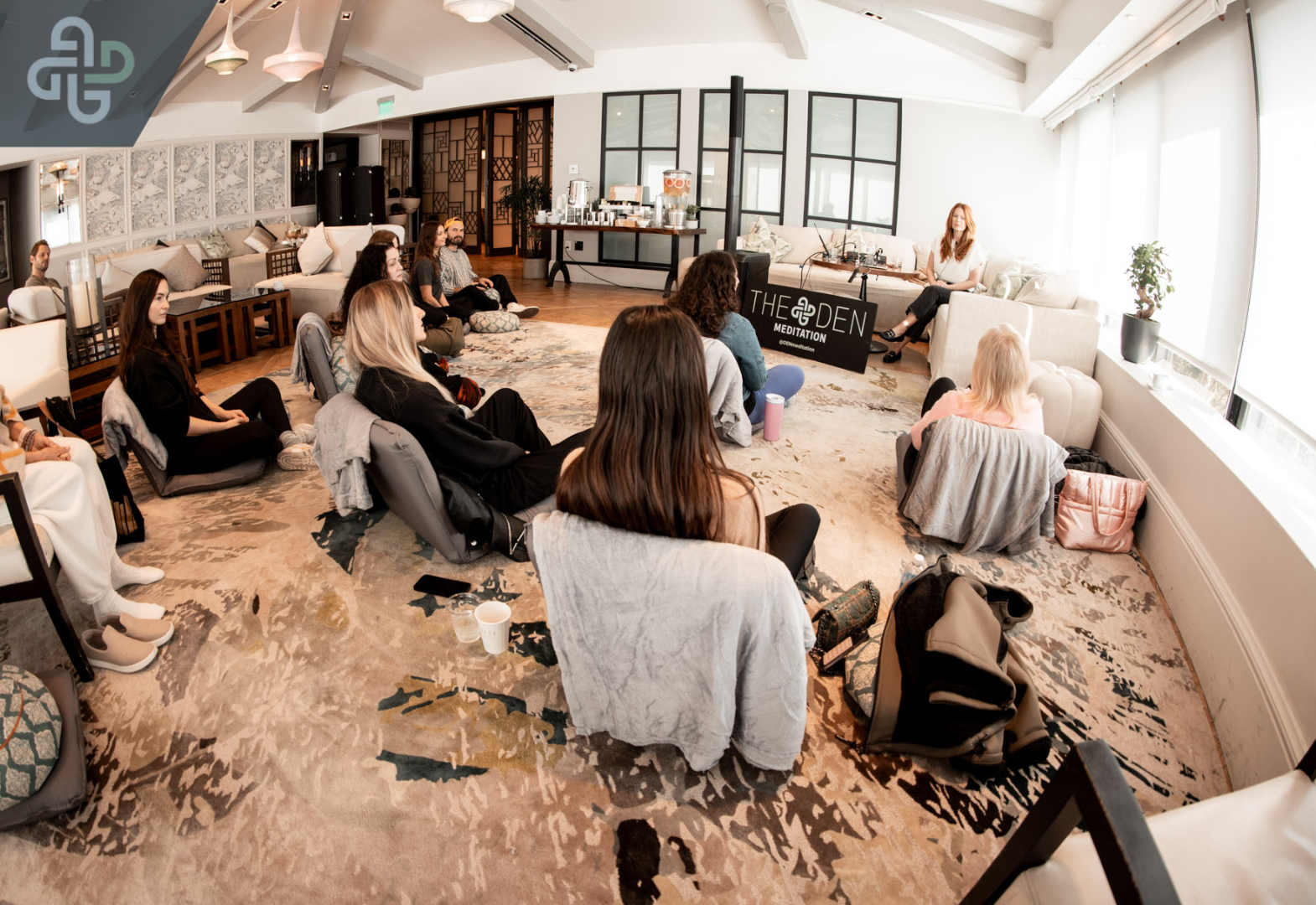
A great staff wellness day is not a forced “fun day,” and it’s definitely not an all-day yoga marathon. It’s a well-paced reset that gives people two things they rarely get during a busy quarter: breathing room and a sense of being cared for in a way that feels adult and respectful.
Southern California makes this easier than most places. You can host a quiet morning by the coast, a warm, grounded afternoon inland, and still have everyone home at a reasonable hour. The key is designing it like an experience, not a buffet table of random activities.
What Is a Corporate Wellness Day?
A corporate wellness day is a planned workplace wellbeing event, typically a half day or full day, built around mental, physical, and social wellbeing. It can live onsite at your office, offsite at a venue, or as a hybrid experience for distributed teams.
At The DEN, workplace wellness events are designed as customizable corporate experiences, including guided mindfulness sessions, breathwork, sound healing, and workshops that support workplace wellness initiatives and team connection.
Benefits of Hosting an Employee Wellness Day
Done well, an employee wellness day creates value that people can feel immediately, and leaders can see in the weeks after.
Common benefits include:
Lower stress and better regulation during high-pressure periods
Stronger team connection, especially for hybrid teams
More sustainable focus and fewer “fried” afternoons
A culture signal that wellbeing is not just a slide in an all-hands deck
Workplace mindfulness based programs have been associated with reductions in perceived stress, anxiety, and burnout, along with improvements in wellbeing and sleep, across a broad review of workplace programs.
And when teams practice mindfulness together, research has found links to reduced interpersonal conflict and better task focus at the team level.
Steps to Plan a Successful Staff Wellness Day
If you want your wellness day to land, plan backwards from one clear outcome. A University of Warwick conference planning guide puts the basics simply: define goals, understand employee needs, choose a venue that supports wellness, and build the program around those needs.
Step 1: Pick one primary goal
Choose one. Not five.
Stress reduction and recovery
Team connection and morale
Focus and productivity resets
Mental health education and practical tools
Step 2: Ask employees what they will actually use
A short anonymous pulse is enough:
“What would help most right now?” (stress, sleep, focus, movement, connection)
“What formats do you prefer?” (workshop, guided session, drop-in stations)
“Any accessibility needs?” (mobility, quiet space, sensory considerations)
Step 3: Choose the right format
Most wellness days for employees work best in one of these formats:
Format A: Half-day reset (best for busy teams)
3–4 hours
One guided anchor session
One workshop
Plenty of breaks
Format B: Full-day wellbeing and connection
6–7 hours with a long lunch
Two guided sessions (morning and afternoon)
Optional breakouts
Format C: Onsite “wellness fair”
Drop-in stations
Great for teams that can’t shut down operations
Step 4: Build the day around pacing
A wellness day should feel calmer as it goes on, not more rushed.
Here’s a simple agenda that works in most workplaces:
| Time | What happens | Why it works |
|---|---|---|
| 9:00 | Arrival + soft start | People settle before content begins |
| 9:30 | Guided grounding session | Shifts the room into presence |
| 10:15 | Workshop 1 (stress tools) | Practical skills for real workdays |
| 11:15 | Break + hydration | Keeps attention and mood steady |
| 11:30 | Optional breakouts | Choice increases participation |
| 12:30 | Lunch + no agenda | Connection without forced sharing |
| 1:30 | Guided restorative session | Helps learning land in the body |
| 2:15 | Workshop 2 (team wellbeing) | Builds culture and shared language |
| 3:00 | Close + next steps | Makes it stick after the day ends |
Corporate Wellness Day Activities That Employees Enjoy
The best activities are the ones that don’t require people to “be a wellness person.” They just need to be human.
High-participation activities
Guided meditation sessions (10–20 minutes): short, approachable, zero pressure
Sound bath style restoration: especially good for people who don’t want movement-heavy sessions
Breath and nervous system workshop: practical tools for meetings, sleep, and stress spikes
Stress reduction workshops: simple education plus practice, not theory
Team wellness workshops: communication, boundaries, workload rhythms
The DEN’s corporate offerings explicitly include guided mindfulness sessions, breathwork, and sound healing as workplace wellbeing activities, and they’re designed to be customized to the team.
Optional “stations” for variety
If you want a lighter, drop-in feel:
Quiet room (no talking, low light)
Tea and hydration station
Five-minute chair stretch prompts
Reflection cards (one question, journal for five minutes)
Choosing the Right Location in Southern California
Southern California gives you options, but it also gives you microclimates.
A recent Southern California retreat planning article notes that the region’s strength is the diversity of settings, including coastal, desert, and mountain, and that spring and fall often bring the most reliable coastal conditions. It also flags the “June Gloom” marine layer in late spring and early summer, which affects coastal timing.
Location ideas by vibe
Coastal (Los Angeles, Orange County, San Diego coastal):
Best for: calm, open-air breaks, terrace lunches
Watch for: marine layer timing, sound, and permit restrictions
Inland (Pasadena, Anaheim, Riverside area):
Best for: easy parking, controlled indoor environments
Good for: larger teams and onsite style wellness fairs
Desert (Palm Springs area):
Best for: deep reset energy and “offsite” feeling without flights
Watch for: heat and sun exposure planning
Mountain or valley (Ojai area, foothills):
Best for: quieter reflection and nature breaks
Great if your team needs a nervous-system-downshift kind of day
Practical tip that saves headaches
If you plan anything outdoors, assume you’ll need to think about permissions and sound rules. The same article notes that beach and outdoor activations can be regulated, and coastal cities may enforce quiet hours and sound limits.
Budgeting and Logistics for Wellness Days for Employees
You can do this well at almost any budget. What matters most is clarity and pacing.
Budget tiers (simple and realistic)
| Budget | What it includes | Best for |
|---|---|---|
| Lean | One guided session + one workshop + simple snacks | First-time wellness day |
| Mid | Two guided sessions + workshop + optional stations | Strong participation across roles |
| Premium | Full-day experience + multiple facilitators + curated venue | Company milestone or annual reset |
Logistics checklist:
Accessibility and seating comfort
Clear timing and clear breaks
Dietary options at lunch
A quiet room for anyone overwhelmed
Opt-in participation for anything personal
A simple post-day plan (one small follow-up)
Measuring the Success of Your Corporate Wellness Day
If you don’t measure anything, wellness days become “nice memories” and then disappear from the budget.
Keep it simple:
Attendance and repeat interest (“Would you do this again?”)
A two-question pulse: stress level and sense of connection
Manager feedback one week later: focus, mood, collaboration
Optional: a 30-day follow-up mini session to maintain momentum
A strong workplace mental health approach also includes improving working conditions, not only individual coping tools, which is something the WHO emphasizes in its guidance on mental health at work.
Conclusion
A corporate wellness day works when it feels real. Clear goal, good pacing, inclusive options, and a calm finish that doesn’t shove everyone back into urgency.
If you’re planning a Southern California wellness day and want it professionally facilitated, The DEN designs customizable workplace wellness events, including guided mindfulness sessions, breathwork, sound healing, and team workshops that can be hosted in person or adapted to your team’s needs.
FAQ
What is a corporate wellness day?
A corporate wellness day is a planned workplace event designed to support employee wellbeing through guided practices, education, and restorative breaks. It can be half-day or full-day, onsite or offsite. Strong wellness days are goal-led and built around employee needs, not generic activities.
What activities can be included in an employee wellness day?
You can include guided meditation sessions, breathwork, sound baths, stress reduction workshops, and optional wellness stations like quiet rooms or hydration corners. Workplace mindfulness programs have been associated with reduced stress and burnout in research reviews, which is why practical mindfulness sessions are common anchors.
Why are wellness days for employees important?
Wellness days help teams reset from sustained pressure, reconnect socially, and learn practical tools they can use at work. WHO emphasizes that protecting mental health at work involves addressing workplace risks and creating supportive environments, and wellness days can be one visible part of that larger culture shift.
How often should companies host a staff wellness day?
A common rhythm is one or two anchor days per year, plus smaller quarterly wellbeing moments (short sessions, workshops, or resets) to keep momentum. The best frequency depends on workload cycles and team stress levels. What matters is consistency, not perfection.
How do you measure the success of an employee wellness day?
Track participation, a simple post-event pulse (stress and connection), and manager observations a week later (focus, collaboration, mood). If you want a cleaner read, add a 30-day follow-up session and see whether people actually use the tools afterward.