

Breathwork for Stress and Anxiety: Techniques You Can Try at Home
When stress builds up or anxiety takes over, your breath is often the first thing to change. It becomes shallow, fast, and tight, signaling your body to stay in fight-or-flight mode. Breathwork helps reverse that cycle. By learning simple breathwork for anxiety techniques, you can calm the nervous system, clear the mind, and feel more grounded.
This isn’t about complicated practices. The breathing exercises below can be done at home, without equipment, in just a few minutes a day.
Why Breathwork Helps with Stress and Anxiety
Breathing is directly connected to the autonomic nervous system, which regulates how your body responds to stress. Slow, intentional breathing activates the parasympathetic “rest and digest” response, lowering cortisol levels, easing muscle tension, and signaling to the brain that you are safe.
Research published in Frontiers in Psychology shows that regular breathing exercises improve mood, reduce anxiety, and even boost cognitive performance. This makes breathwork not only a relaxation tool but also a long-term support for emotional resilience.
4 Simple Breathwork Techniques to Try
1. Box Breathing (4-4-4-4)
Best for: Quick calm during stressful moments.
Inhale through your nose for a count of 4.
Hold your breath for 4 counts.
Exhale through your mouth for 4 counts.
Hold again for 4 counts.
Repeat for 3–5 rounds. Box breathing is popular among athletes and even in military training for its ability to reduce stress quickly.
2. Diaphragmatic Breathing (Belly Breathing)
Best for: Anxiety and chronic stress relief.
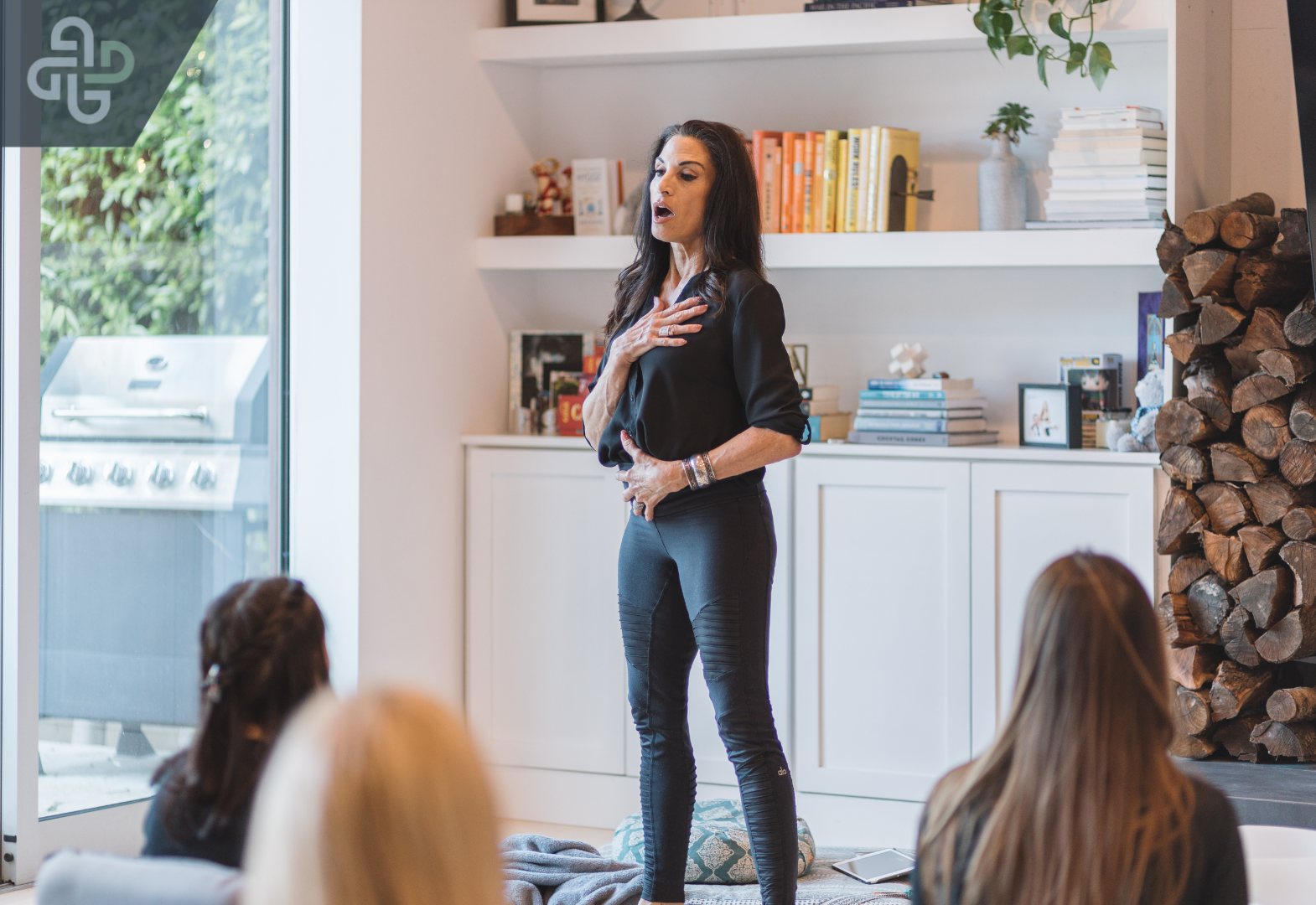
Place one hand on your chest, one on your belly.
Inhale slowly through your nose, letting the belly expand (not the chest).
Exhale gently through pursed lips.
Continue for 5–10 minutes. This exercise strengthens the diaphragm and increases oxygen flow, helping you relax deeply.
3. Alternate Nostril Breathing (Nadi Shodhana)
Best for: Calming an overactive mind.
Sit comfortably, close your right nostril with your thumb.
Inhale through the left nostril.
Close the left nostril with your ring finger, open the right, and exhale.
Inhale through the right, then switch again.
Do 5–7 cycles. This traditional practice balances both hemispheres of the brain and promotes focus and clarity.
4. 4-7-8 Breathing
Best for: Sleep and winding down.
Inhale through your nose for 4 counts.
Hold for 7 counts.
Exhale slowly through your mouth for 8 counts.
Repeat 4 cycles. Developed by Dr. Andrew Weil, this method is especially effective for calming the nervous system before bedtime.
Tips for Building a Daily Mindfulness Breathing Practice
Consistency matters – Start with 5 minutes a day and build up.
Choose one technique – It’s easier to stick to a single method until it feels natural.
Create a calm space – A quiet corner with minimal distractions helps you focus.
Pair with meditation – Combining breathwork with mindfulness meditation can deepen results.
Final Thoughts
Breathwork doesn’t take hours of training or special equipment. By practicing simple breathing exercises for stress at home, you give yourself a reliable tool to manage anxiety, quiet the mind, and restore balance.
Whether it’s box breathing during a busy workday or 4-7-8 breathing before sleep, try adding one of these breathwork techniques into your daily routine. Over time, you’ll find that mindful breathing creates space between stress and your response, a powerful shift for both mental and physical well-being.