

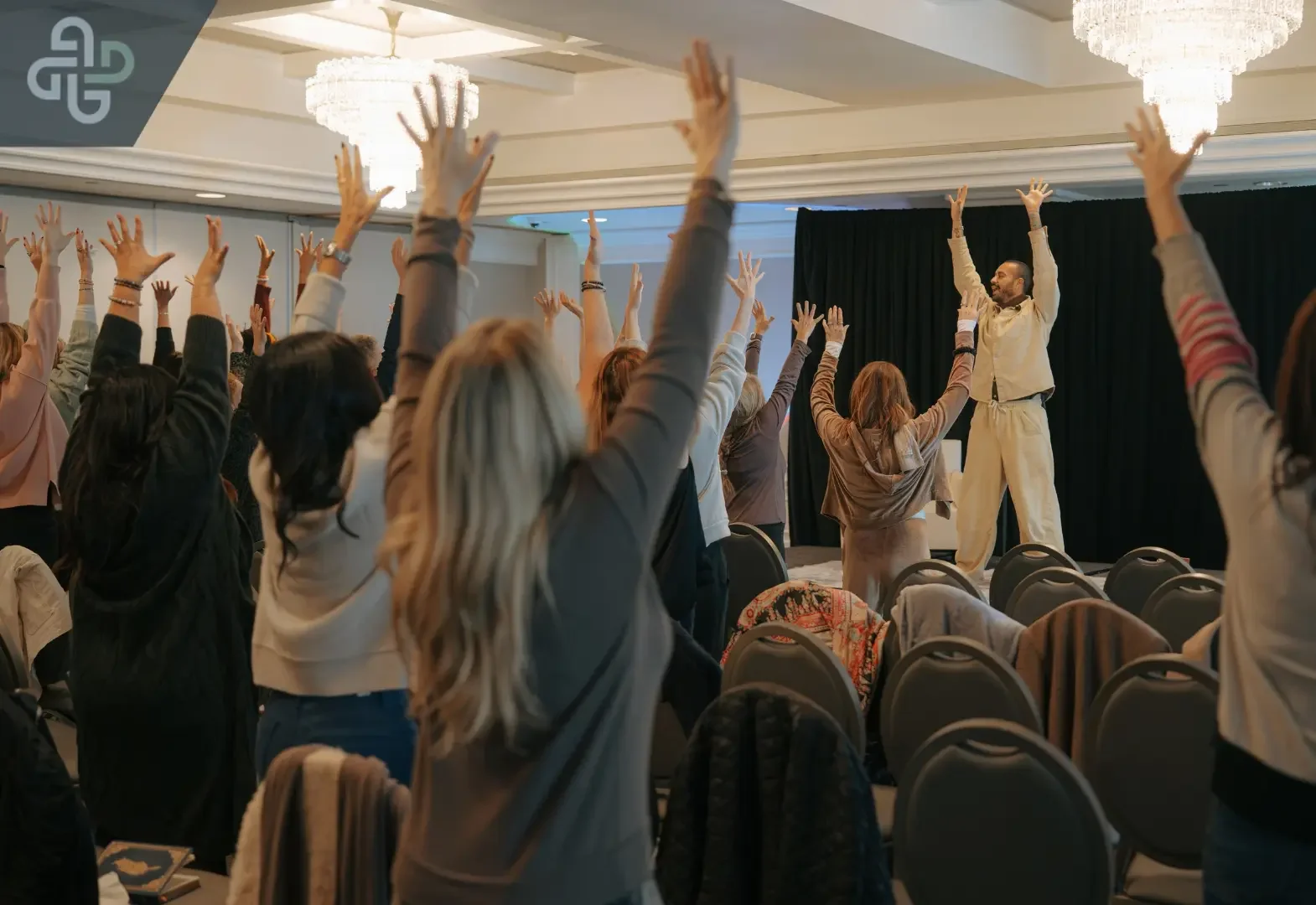
At a holiday table, “What are you grateful for?” can feel like a request for the right answer. You may have had a hard week, feel far from someone you love, or simply not want to perform happiness. Gratitude meditation gives you a quieter way in. You notice one thing that genuinely helped, however small, and stay with it for a moment. You do not have to pretend the difficult parts are gone.
What is gratitude meditation?
It is a practice of bringing attention to something you appreciate and noticing the experience of doing so. That might be a person who checked in, a meal you did not have to cook alone, or a brief moment of ease on the way home. The meditation part is the pause: you notice the breath, bring the example to mind, and return when attention wanders.
This is different from making a list as fast as possible. A list can be useful, but in meditation you give one detail enough room to register. You might remember the sound of a friend's voice or the relief of finding a quiet seat. You can feel grateful and still be sad, anxious or tired.
How to practice gratitude in five minutes
Find a place where you can sit comfortably. You can keep your eyes open, soften your gaze, or close them if that feels safe. Set a timer if it helps. This practice does not require a special posture or a perfectly quiet room.
Notice where your body meets the chair or floor. Let your breath move at its natural pace for a few cycles.
Bring to mind one specific thing that supported you recently. Choose something believable, not the thing you think you should name.
Look at its details. Who or what was involved? What changed for you in that moment?
Notice any feeling that comes up. Warmth is possible, but so are neutrality, grief or resistance. There is no required sensation.
If your thoughts drift, return gently to the example or to the feeling of breathing. When the timer ends, notice how you feel before moving on.
That is how to practice gratitude without turning it into another task to get right. If five minutes feels too long, start with one breath and one honest sentence: “I appreciated that.”
A short guided gratitude meditation you can read to yourself
“Take a comfortable seat. Feel the support beneath you. Let the next breath arrive without changing it. Think of one moment from the past day when something made life a little easier. It may have been a person, a place, or a simple action you took for yourself. Notice what happened, without trying to make it more meaningful than it was. If appreciation is there, let it be there. If it is not, that is okay too. Return to the contact of your feet or hands. Take one more breath and open your attention to the room.”
You can record those words in your own voice, ask a friend to read them, or join a guided class if practicing with other people helps you settle. The DEN Meditation offers live and on-demand classes and workshops, so the structure is available when you would rather be guided than follow a written prompt.
What if gratitude feels forced?
Do not search for a silver lining in something painful. You can begin with a neutral fact, such as “the room is warm,” or choose a person who helped without claiming everything is fine. You can also stop. A practice that asks you to override your actual feelings is unlikely to feel supportive.
For some people, gratitude is tangled with obligation. If someone has helped you but also hurt you, you do not have to use that relationship as your meditation subject. Choose a safer example. If grief or distress is strong, a grounding practice that simply notices the breath and surroundings may be a better starting point than gratitude.
What does the research suggest?
NIH describes gratitude research as promising but still developing. A randomized study of brief practices found an immediate improvement in positive affect after gratitude training compared with breath awareness in that study. That result does not mean a five-minute exercise treats depression or guarantees a calmer holiday. People and circumstances differ, and studies use different versions of the practice.
The useful takeaway is modest: attention can be trained toward an appreciated moment, and some people find that beneficial. It is not a test of character. If you try it and feel no shift, you have still spent a few minutes noticing your experience accurately.
When can you make it part of the day?
Attach a short pause to something already happening. Before dinner, notice one part of the meal you appreciate. After a class, recall a moment when you felt more settled. On the drive home, name the person who made the day easier. A recurring cue is often more sustainable than promising yourself a long daily ritual you cannot keep.
If you are hosting Thanksgiving, you can offer an optional group version: invite people to share one specific appreciation, with permission to pass. Avoid asking everyone to speak about the holiday or family in the same way. A quiet minute before a meal can be enough.
Gratitude meditation FAQs
Do I need to feel happy for it to work?
No. You can notice a helpful moment while feeling sad or stressed. If the practice feels like pressure to deny those feelings, shorten it or choose a neutral grounding exercise instead.
Is gratitude journaling the same as meditation?
They overlap but are not identical. Journaling records what you appreciate; meditation gives one example focused attention, including the sensations and emotions around it. Some people combine them by writing one sentence after sitting quietly.
How often should I practice?
There is no required schedule. A brief, repeatable pause may fit better than a long session you dread. Try it several times and notice whether it helps you meet your day more gently.
Can children join a gratitude practice?
Yes, if it is simple and optional. Ask a child about one thing they enjoyed or one person who helped, and allow “I don't know.” Turning it into a performance can make the exercise less inviting.
What if I would rather be guided?
Choose a live or on-demand meditation class with a teacher whose pace feels comfortable. The DEN's class schedule and on-demand library are places to explore; check the current description before booking because class topics change.
You can begin with one honest moment. If you want company in the practice, explore The DEN Meditation's current classes and let a guide hold the time while you show up as you are.