

What Is Child Wellness? A Simple Guide for Parents and Caregivers
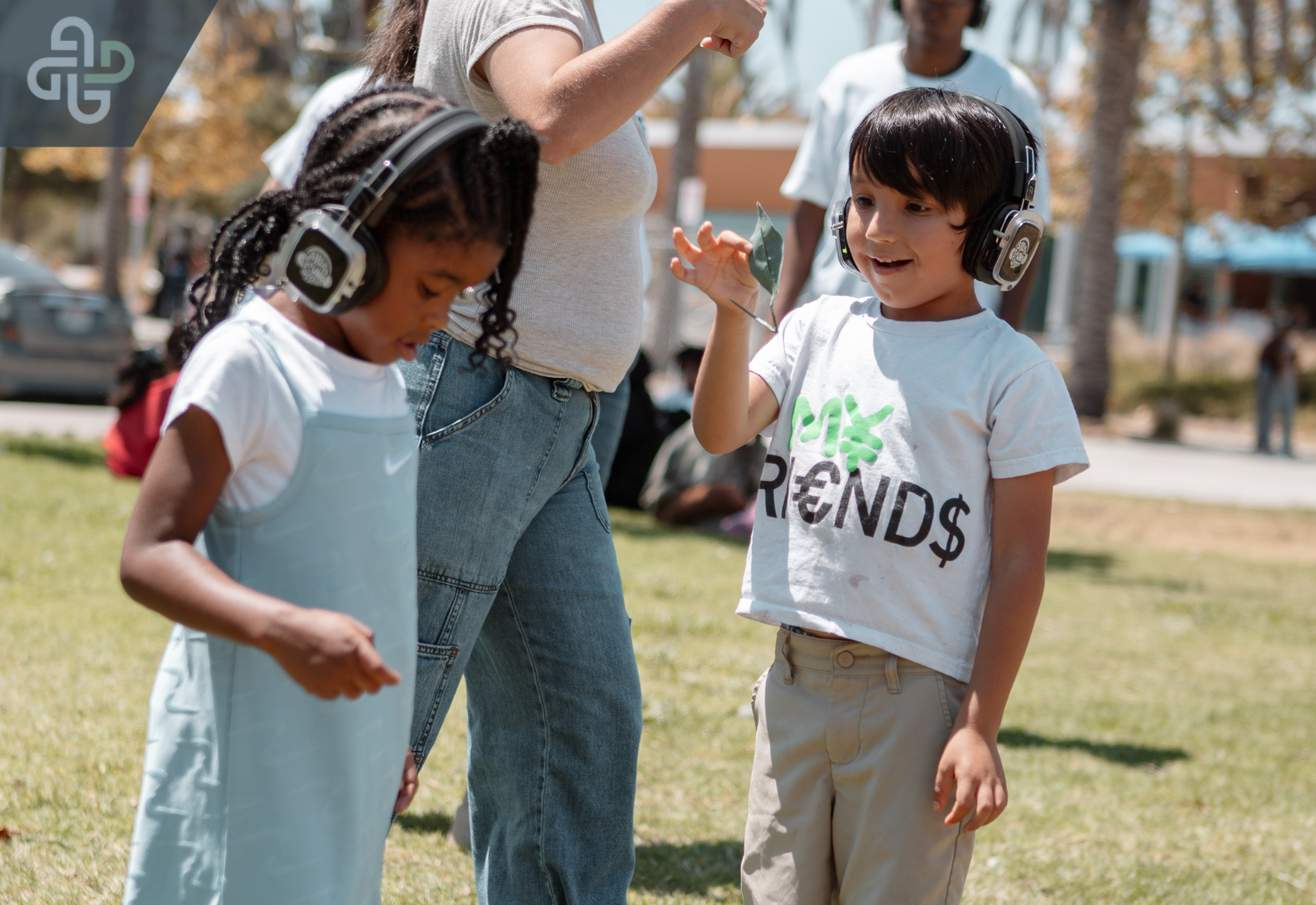
Child wellness is about helping kids grow into whole, balanced humans, not just healthy bodies, but steady hearts and curious minds. It’s teaching them how to eat well, rest fully, express their emotions, and listen to themselves with the same care we wish we’d learned earlier.
At The DEN Meditation, we often remind parents that wellness doesn’t mean perfection. It means awareness. It’s about noticing when your child needs comfort, when they need movement, or when they simply need quiet.
When children feel safe to explore their thoughts and emotions, they begin to build confidence that stays with them for life.
Understanding Child Wellness
Wellness starts early, often long before children understand what the word means. It shows up in the little moments: a calm bedtime routine, a family meal shared without screens, or a walk where you stop to really listen to what your child is saying.
Physical health: Enough sleep, nourishing food, and play.
Emotional well-being: Helping kids understand their feelings rather than hide them.
Mental awareness: Teaching focus, self-regulation, and kindness.
Social connection: Encouraging empathy and honest communication.
Spiritual grounding: A sense of belonging and peace, however your family defines it.
Each of these pieces works together to create a foundation of balance and self-awareness, the true essence of child wellness.
Health Tips for Children
Children watch everything we do. The habits they build often come from what they see, not what they’re told.
Start small:
Make movement joyful — dance in the kitchen, take walks, or try yoga together.
Keep consistent routines around meals and bedtime.
Offer water often and make it fun with colorful cups or slices of fruit.
Leave moments in the day for doing nothing. Stillness is part of growth, too.
When health is approached as a connection instead of control, children begin to enjoy taking care of themselves.
Healthy Eating Habits for Children
Food shapes more than the body; it shapes our relationship with comfort, emotion, and community.
Let children participate in the process: picking ingredients, stirring the bowl, and setting the table. This sense of involvement builds curiosity and gratitude.
Encourage variety through colors: bright oranges, greens, reds, and purples. Talk about how food supports them: “This will help your muscles grow,” or “This helps your brain focus.”
When mealtime becomes mindful, it nourishes both the body and the bond between you.
Wellness and Emotional Literacy
Emotional literacy means helping kids understand what they feel and why. It’s one of the most powerful gifts you can offer them.
When a child can say “I’m sad” instead of acting out, they’re already learning self-regulation. When they know they can cry and still be loved, they learn safety.
Try these practices:
Ask your child how their body feels when they’re happy, scared, or frustrated.
Name emotions as they arise. “You seem disappointed,” and let them know that’s okay.
Share your own coping tools openly: breathing, counting, or taking quiet time.
This is wellness and emotional literacy in practice: showing children that emotions are not problems to fix, but messages to understand.
Wellness Activities for Students
Simple routines can make a big difference in how children show up for learning, both at home and in school.
Here are a few easy wellness activities for students you can try:
Mindful start: Two deep breaths before homework or class.
Gratitude circle: Share one good thing that happened each day.
Creative break: Drawing or movement after long periods of sitting.
Emotion check-in: Use colors or emojis to express how they feel.
Quiet reflection: End the day with a short moment of stillness.
These practices help children notice their emotions and stay connected to their bodies — something many adults are still learning to do.
Supporting Child Wellness at Home
Home is where children learn what safety feels like. It’s not about never arguing or always being calm; it’s about repair, presence, and unconditional love.
Ways to support wellness at home:
Create simple rituals like reading together before bed or cooking breakfast on weekends.
Keep conversations open about emotions and experiences.
Model calm, even when you lose it; apologize and show that adults keep learning, too.
Encourage curiosity and self-expression, not just achievement.
Children thrive when they feel seen and accepted for who they are.
How Parents and Caregivers Can Support Ongoing Wellness
Parenting is not about getting everything right; it’s about showing up consistently. Wellness grows in small, repetitive acts, the “I’m here” moments that children remember long after the words fade.
Stay connected to your child through eye contact, shared laughter, and listening. Let them see you taking care of your own well-being, too. Children learn emotional balance from parents who model it.
Wellness is a cycle. When caregivers are grounded, children feel safe. When children feel safe, caregivers feel calmer too.
How The DEN Meditation Supports Child Wellness
At The DEN, we believe wellness is a family practice. Our community programs and private experiences at schools and with groups create space for both adults and children to slow down, breathe, and connect.
Through mindfulness sessions, meditation classes, and workshops, families learn practical tools that bring calm into daily life. Whether it’s a short breathing exercise or a full class together, the goal is the same: to help everyone, children and adults, return to presence.
FAQ
What is child wellness?
It’s the balance of physical, emotional, and mental health in children. It helps them develop resilience, empathy, and self-awareness.
Why does child wellness matter?
Because it shapes how children grow, learn, and connect with others. A well-supported child feels secure, curious, and confident.
How can parents encourage child wellness?
Start with simple habits, healthy food, open conversations, movement, and mindfulness. Model calmness and kindness at home.
What are good wellness activities for kids?
Mindful breathing, gratitude journaling, gentle movement, and creative expression are great for emotional balance.
How does The DEN Meditation support family wellness?
By offering mindful tools and community experiences that help families build awareness, connection, and calm together.