

Meditation vs. Team Building: Why Both Belong in Your Next Offsite
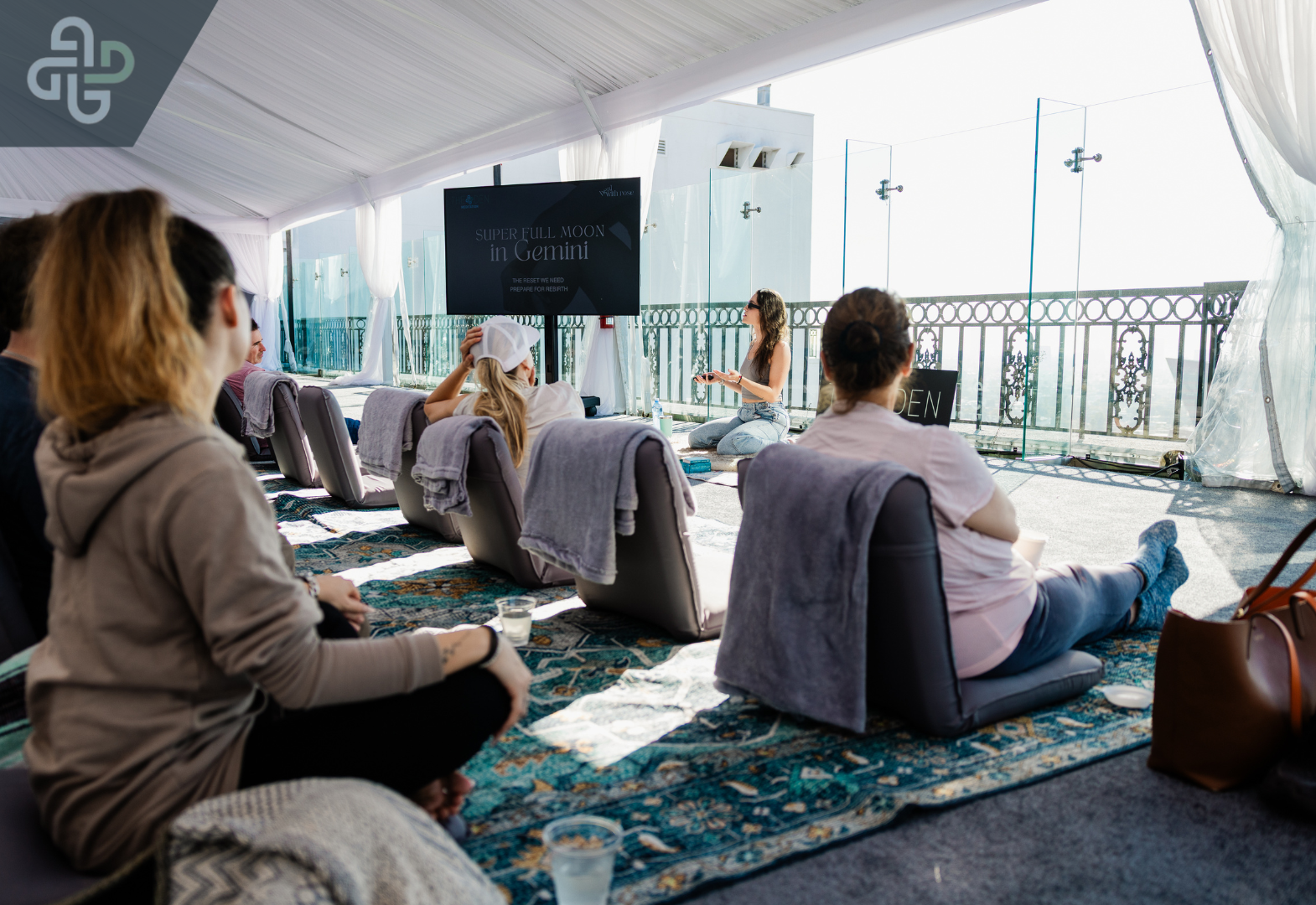
Meditation and team building serve different purposes at an offsite. Team building strengthens communication, collaboration, and trust. Meditation reduces stress, supports emotional clarity, and helps people show up as their best selves. Together, they create a balanced offsite that improves morale, performance, and overall well-being.
Company leaders often search for the benefits of team building when planning an offsite. They want stronger communication, better collaboration, and a team that actually enjoys working together. But many off-sites focus only on structured activities and leave out something essential: the nervous system.
Meditation brings that missing piece. And when you combine work team-building activities with mindfulness, the result is an offsite that people remember for the right reasons.
Meditation vs Team Building: What’s the Real Difference?
Team Building: Skills and Connection
Traditional and modern team-building exercises focus on:
Trust
Communication
Collaborative problem solving
Shared wins
Understanding work styles
Team building does not have to rely only on games, challenges, or icebreakers. Many modern off-sites now use creative, sensory-based experiences to support connection in ways that feel more natural. Activities like guided tea rituals, intention-based creative workshops, sound-supported experiences, or mindful movement allow teams to collaborate while staying regulated and present. When mindfulness is layered into these moments, connection builds through shared experience rather than forced interaction.
Research published by the American Psychological Association notes that teams perform better when people feel connected, trusted, and psychologically safe. That’s the core purpose of structured team-building activities.
Meditation: Nervous System Regulation and Awareness
Meditation works on the internal side:
Stress reduction
Improved emotional regulation
Clarity in decision-making
Increased presence
Lower reactivity
Better listening
Companies often overlook how much unregulated stress affects collaboration. A team might sit in a communication workshop while still holding tension from deadlines, Slack notifications, or personal burnout.
Meditation clears that internal noise.
Why Both Should Be in Your Offsite Program
1. Team Building Builds Skills. Meditation Makes Them Stick.
People learn better when they feel calm and grounded. Meditation helps shift the nervous system away from stress and into a state where collaboration feels easier. When people aren’t running on mental overload, team-building exercises become more meaningful and less forced.
2. Meditation Supports Real Psychological Safety
You can’t build trust on top of stress.
Studies from Harvard’s Institute of Coaching show mindfulness practices increase empathy and patience, two major predictors of psychological safety. When people feel safer, communication exercises work better.
3. Team Building Helps with Connection. Meditation Deepens It.
A simple meditation session can help team members:
Be more present
Listen without judgment
Recognize their own patterns
Respond instead of react
These qualities directly improve teamwork and help team-building activities feel genuine, not performative.
4. Mindfulness Helps Introverts Engage More Comfortably
Not everyone enjoys high-energy games or off-site challenges. Meditation creates a balanced space where quieter team members feel included without the pressure to perform.
5. Team Building Works Best When People Are Recharged
Burned-out teams don’t collaborate well.
A short meditation before group activities can reduce stress, which helps teams approach challenges with clearer thinking and better moods.
Where Meditation Fits into a Modern Offsite
You can integrate mindfulness in several practical ways:
Short Guided Sessions
5–10 minutes before workshops, strategy meetings, or group exercises.
A Full Meditation Class
Useful when the team needs a deeper reset at the start or end of the day.
Breathwork Sessions
Helps regulate energy levels and improve focus before problem-solving activities.
Quiet Reflection Time
This is helpful after emotionally heavy discussions or feedback workshops.
Optional Drop-In Sessions
Ideal for off-sites with mixed personality types where people need different levels of engagement.
Mindfulness-Integrated Creative Team Experiences
Meditation and mindfulness can also be woven into hands-on, creative team activities that support connection without pressure. These experiences work especially well for mixed groups and longer off-sites.
Mindful Tea or Cacao Rituals: Shared intention-setting followed by a guided tasting experience that encourages presence and conversation.
Aromatherapy or Sensory Stations: Teams engage the senses through scent and breath, supporting focus, grounding, and emotional awareness.
Creative Rituals (Candle Making, Floral or Art Stations): Slow, tactile activities paired with intention-setting help teams relax and connect organically.
Sound-Supported Experiences: Sound baths or music-led mindfulness sessions that regulate the nervous system before or after collaborative work.
Mindful Eating or Mocktail Experiences: Simple rituals that turn nourishment into a shared, present-moment activity.
These formats feel less like traditional team building and more like shared moments, which often leads to deeper engagement and more genuine connection.
Den’s corporate and private retreat programs often use this blended approach, combining meditation with creative, sensory-based experiences that support both productivity and well-being.
Does Team Building Actually Work?
A common question on Reddit’s remote-work forums is whether team building is even useful. Many people say it feels forced or disconnected from real work.
The problem isn’t the concept. It’s the format.
Team building works when:
People feel grounded and receptive
Exercises connect to real workplace challenges
Activities aren’t overly competitive or awkward
The environment feels safe
The offsite reduces stress, not adds to it
Meditation helps create the right conditions so team building feels natural instead of uncomfortable.
How Virtual Meditation Classes Fit into Offsites
For distributed teams, virtual meditation classes offer a way to bring everyone into the same mental space before or after group work.
Benefits include:
More focus on remote strategy sessions
Reduced screen fatigue
Better participation
Shared calming rituals
Consistency after the offsite ends
Meditation becomes the connective tissue for hybrid teams who don’t see each other daily.
Sample Flow for a Balanced Offsite
This is a simple example of how both elements work together:
| Time | Activity | Purpose |
|---|---|---|
| 9:00 AM | Opening meditation | Ground the room and reduce stress |
| 9:15 AM | Team-building workshop | Build connection and collaboration |
| 11:00 AM | Reflection break | Integrate learning and reset energy |
| 1:00 PM | Strategy session | Clear thinking and communication |
| 3:00 PM | Breathwork session | Increase focus and ease internal tension |
| 4:00 PM | Collaborative challenge | Apply skills with better presence |
Creative mindfulness stations or sensory rituals can be layered into breaks or social hours to maintain engagement without adding mental fatigue.
The mix keeps the team energized without overwhelm.
The Most Effective Offsites Are Balanced
Meditation isn’t a replacement for team building. And team building doesn’t solve everything on its own.
When you bring both together, the benefits multiply.
Teams leave feeling:
Connected
Clear
Recharged
Motivated
Grounded
On the same page
If you want your offsite to create meaningful change, add room for both human connection and internal reset.
To design a custom offsite experience with meditation, breathwork, or corporate wellness support, explore Den’s offerings.
FAQs
1. Why are both meditation and team building important for successful offsite retreats?
Team building strengthens communication and trust, while meditation reduces stress and increases clarity. Together, they create an environment where people connect more naturally and work better as a unit.
2. How can meditation enhance the results of team-building activities at work?
Meditation lowers reactivity, improves patience, and helps people stay present. When teams enter activities feeling calm and centered, collaboration becomes smoother and more authentic.
3. Do team-building exercises really work for improving team performance and morale?
They work when they are intentional, well-designed, and integrated into a supportive environment. The biggest mistake companies make is ignoring stress. When teams start from a grounded place, team-building results improve dramatically.
4. What are the benefits of combining virtual meditation classes with team-building events?
Virtual meditation brings a shared sense of calm, even for distributed teams. It reduces screen fatigue, improves focus, and prepares people for deeper collaboration during online sessions or hybrid off-sites.
5. How can companies design off-site programs that balance mindfulness and collaboration?
Start with a grounding meditation, then move into team-building exercises. Add reflection breaks, include optional mindfulness sessions, and end the day with a calm reset. This structure keeps the nervous system regulated and improves engagement.